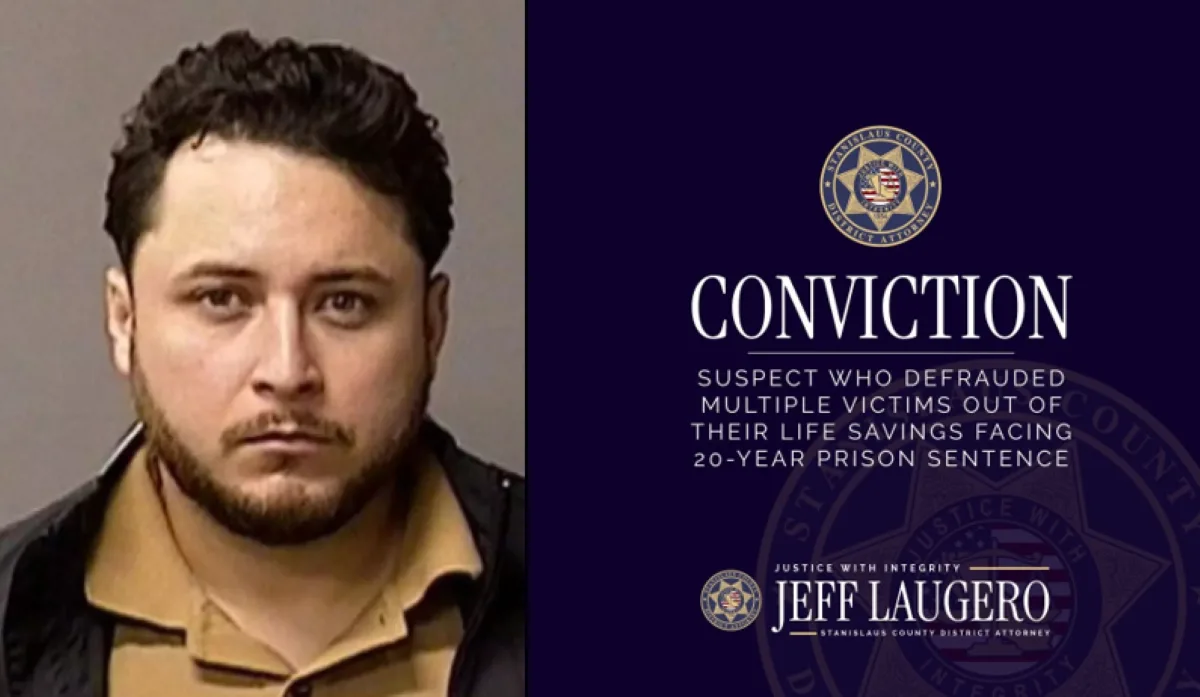
Fernando Jauregui Ochoa, 30, of Ceres, has been convicted in a sweeping fraud scheme that prosecutors say preyed on dozens of immigrant entrepreneurs across California—many of whom spent years saving money to launch food‑truck businesses that never materialized.

The case, which has drawn statewide attention, highlights a growing pattern of consumer fraud targeting immigrants and working‑class families, including several high‑profile cases in California and the U.S.
Ochoa operated 8A Food Trucks, a business that promised custom‑built food trucks and trailers. According to prosecutors and reporting from the Los Angeles Times, many victims were farmworkers, cooks, custodians, and construction workers—people who had borrowed money from relatives in Mexico or pooled family savings to pursue the dream of owning a food business.
Instead, investigators say Ochoa stole nearly $1 million, delivering nothing or providing unusable vehicles while spending customer payments on drugs, vacations, and luxury items.
How the Scheme Worked
- Victims paid thousands for custom food trucks and trailers that were never delivered.
- Some received nonfunctional or unsafe vehicles, while others had trailers repossessed.
- Ochoa allegedly intimidated customers, including an incident where two men brandished a gun at a San Bernardino restaurant.
- Investigators identified more than 40 victims, many of whom were immigrants reluctant to report fraud due to fear or distrust of authorities.
- Social media posts showed Ochoa posing with a Corvette and riding jet skis, projecting success while victims struggled to recover their savings.
Criminal Charges and Penalties
Ochoa was convicted on 18 counts of obtaining money by fraud, plus an enhancement for losses exceeding $500,000, and one count of witness intimidation. Prosecutors say he targeted victims based on immigration status—an aggravating factor that increases sentencing exposure.
He faces a likely 20‑year state prison sentence at his October 30 hearing and will be ordered to pay restitution. He remains in custody on $1 million bail.
Were Colleagues or Family Involved?
Based on available reporting and statements from prosecutors, no colleagues or family members have been charged in connection with Ochoa’s scheme. While some individuals allegedly assisted in confrontations or payment disputes, investigators have not filed criminal charges against them. The case remains focused solely on Ochoa’s conduct.
Fraud Targeting Immigrants: A Growing Trend
Consumer‑fraud cases involving immigrant victims have surged nationwide. According to the Federal Trade Commission, immigrant communities are disproportionately targeted in schemes involving:
- fake business opportunities
- immigration‑related scams
- fraudulent contractors
- predatory financial services
In 2025, the FTC reported that immigrant‑focused fraud losses exceeded $600 million nationwide, with California ranking among the top states for such crimes.
Major U.S. Cases Involving Immigrant Victims
- New York Construction Scam (2023): A contractor stole over $2 million from immigrant families seeking home renovations.
- Texas Immigration‑Fee Fraud (2024): A fake legal‑services operator defrauded hundreds of undocumented immigrants by promising expedited visas.
- Florida Truck‑Lease Scheme (2025): Immigrant truck drivers lost more than $3 million in a fraudulent lease‑to‑own program.
California Cases With Similar Patterns
California has seen several high‑profile fraud cases involving immigrant victims:
- Los Angeles “Dream Home” Scam (2024): A developer stole $1.8 million from Latino families seeking affordable housing.
- Central Valley Farmworker Tax‑Prep Fraud (2025): A tax preparer stole refunds from more than 200 immigrant farmworkers.
- Orange County Contractor Fraud (2023): A Santa Ana contractor defrauded dozens of Vietnamese and Latino homeowners, leading to a 15‑year prison sentence.
Orange County Angle
While Ochoa’s business operated in Central California, several victims—including restaurant owners Paulina Quintal and Alejandro Gonzalez—were based in San Bernardino and the Inland Empire, a region closely tied to Orange County’s food‑service and immigrant communities. OC has seen its own rise in immigrant‑targeted fraud, with the Orange County District Attorney reporting a 32% increase in consumer‑fraud complaints from immigrant residents between 2022 and 2025.
For OC readers, this case underscores how vulnerable aspiring entrepreneurs can be—especially those navigating language barriers, unfamiliar regulations, and limited access to legal resources.
Why These Crimes Increase Costs for Everyone
Fraud targeting small business owners—especially in food service—has ripple effects:
- fewer new food‑truck businesses entering the market
- higher startup costs due to increased regulatory scrutiny
- higher insurance premiums for mobile food vendors
- reduced competition, which can raise food prices for consumers
When dozens of entrepreneurs lose their life savings, the entire regional food economy feels the impact.
How to Spot and Avoid Fraudsters Targeting Immigrant Entrepreneurs
Fraud schemes like the one run by Fernando Jauregui Ochoa often follow predictable patterns, especially when scammers target immigrants who may be unfamiliar with U.S. business regulations or hesitant to report wrongdoing. Recognizing the warning signs can help protect aspiring entrepreneurs—particularly those in Orange County’s vibrant food‑service and small‑business community—from losing their savings to predatory operators.
Fraudsters typically rely on urgency, charm, and false credibility. They present themselves as experts, promise fast results, and use social media to project success. Many victims later report that the red flags were visible early on, but they didn’t recognize them or felt pressured to move forward. Below are practical, actionable steps to help identify and avoid similar scams.
- Verify business licenses — Legitimate builders and contractors must hold proper state and local licenses. Check the California Contractors State License Board (CSLB) and local business registries before paying anything.
- Demand written contracts — Fraudsters often avoid detailed paperwork. A real contract should include timelines, refund terms, materials, and delivery dates.
- Avoid large upfront payments — Reputable builders typically use milestone‑based payments. Upfront demands of 50–100% are a major red flag.
- Check reviews and complaints — Search for the business on Yelp, Google, BBB, and local Facebook groups. Multiple unresolved complaints or patterns of similar issues indicate risk.
- Inspect previous work — Ask for addresses of completed trucks or trailers and speak directly with past customers. Fraudsters often refuse or provide vague answers.
- Watch for intimidation or pressure — Scammers may use aggressive tactics, guilt, or threats to force payments. Legitimate businesses never rely on intimidation.
- Use secure payment methods — Avoid cash, Zelle, or wire transfers. Credit cards and escrow services offer fraud protection and dispute options.
- Document everything — Save texts, emails, receipts, and photos. Strong documentation helps investigators build cases and increases the chance of restitution.
- Consult local agencies — Orange County has strong consumer‑protection resources, including the OCDA Consumer Protection Unit and city‑level business‑licensing offices. Early reporting can prevent further victimization.
- Trust your instincts — If something feels rushed, unclear, or too good to be true, pause. Fraudsters rely on victims ignoring their own discomfort.
These steps are especially important for immigrant entrepreneurs who may face language barriers or be unfamiliar with California’s regulatory landscape. Fraudsters like Ochoa often exploit trust within cultural communities, making vigilance essential for anyone investing in a food truck, restaurant, or small business venture.