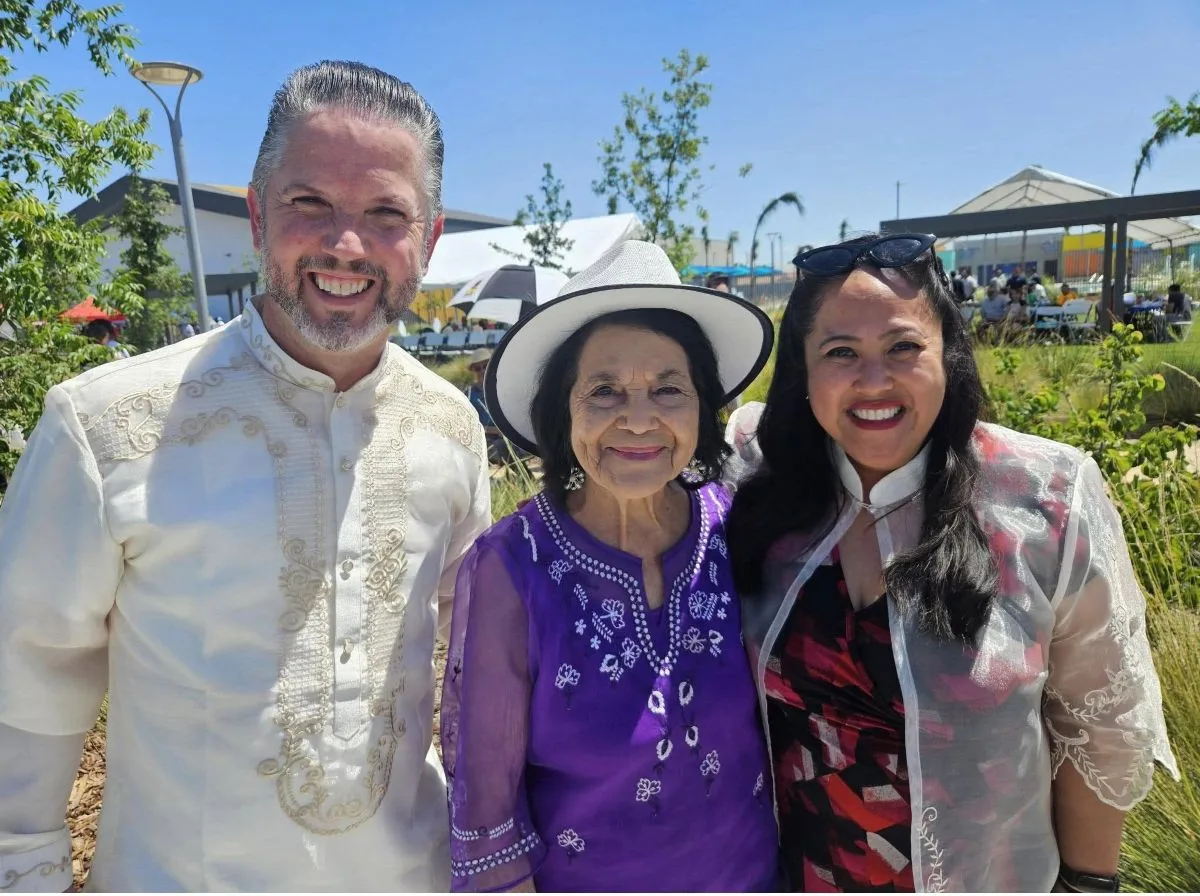
Civil rights icon, labor leader, feminist activist, and United Farm Workers co-founder Dolores Huerta has died at the age of 96, according to statements released by her family Wednesday morning. Huerta spent more than six decades fighting for farm workers, immigrants, women, and other marginalized communities, becoming one of the most influential Latina activists in American history.

Best known for co-founding what became the United Farm Workers movement alongside Cesar Chavez and for popularizing the rallying cry “Sí, Se Puede,” Huerta helped transform labor organizing in California and across the nation. Her work contributed to major improvements in wages, working conditions, and labor protections for agricultural workers. She was awarded the Presidential Medal of Freedom in 2012 by President Barack Obama.
Her death comes just months after a revelation that dramatically reshaped public understanding of both her life and the farmworker movement.
A Bombshell Revelation Rewrote Part of Farmworker History
Earlier this year, Huerta publicly disclosed that Cesar Chavez sexually abused and raped her during the 1960s, allegations she said she kept secret for more than six decades. Huerta stated that the assaults resulted in two children who were raised by other families. She said she remained silent for many years because she feared exposing the allegations would damage the farmworker movement and undermine the progress organizers had fought to achieve.
Her accusations emerged amid broader reporting and allegations involving Chavez and sent shockwaves through labor, civil-rights, and Latino communities. For many supporters of the farmworker movement, the disclosures forced a difficult reexamination of one of the most celebrated figures in California history.
At the same time, many advocates praised Huerta’s decision to come forward late in life, saying it demonstrated extraordinary courage and reflected the experiences of countless survivors who spend years or even decades processing trauma before speaking publicly.
Why Many Survivors Wait Years Before Coming Forward
Mental health professionals and victim advocates have long noted that delayed reporting is common among survivors of sexual violence.
Some of the reasons frequently cited include:
- Fear of not being believed
- Fear of retaliation or damage to careers and reputations
- Feelings of shame, guilt, or self-blame
- Trauma-related memory and coping issues
- Concern about hurting family members, organizations, or causes they care about
- Significant power imbalances between victims and alleged abusers
Huerta herself explained that she worried disclosure would jeopardize the farmworker movement that had become her life’s work.
For many observers, her story became a reminder that delays in reporting do not necessarily diminish the seriousness of abuse allegations and that trauma often follows a complicated timeline.
The Struggle Continues for California Farmworkers
While Dolores Huerta’s organizing helped secure major gains for agricultural workers, many of the issues that fueled the farmworker movement remain subjects of debate today. California farmworkers continue to face challenges including rising housing costs, exposure to extreme heat, concerns about pesticide use, immigration-related uncertainties, and economic pressures tied to water shortages and changing agricultural markets.
Labor advocates point to recent efforts to expand farmworker voting access, improve heat-safety protections, strengthen workplace standards, and support collective bargaining rights. Agricultural employers, meanwhile, have argued that increasing regulations and labor costs have placed additional strain on growers already dealing with inflation, drought conditions, and international competition.
The result is that the movement Huerta helped build remains active more than half a century after the historic farmworker strikes and boycotts of the 1960s. While many working conditions have improved dramatically since that era, the debate over wages, benefits, workplace protections, and immigration policy continues across California’s agricultural regions.
Communities Increasingly Honor Huerta’s Legacy
Even before her death, schools, parks, public spaces, and civic institutions throughout California and the Southwest had been named in Huerta’s honor. In recent years, some activists and local leaders have also pushed to elevate Huerta’s contributions independently from Chavez, arguing that her role in organizing farmworkers was frequently overshadowed despite her central leadership role in the movement.
Following this year’s revelations, renewed conversations emerged in some communities about whether institutions that currently bear Chavez’s name should instead honor Huerta or recognize both leaders. Supporters argue that Huerta’s legacy stands on its own merits, encompassing labor rights, women’s rights, voting rights, and community organizing.
A Connection Felt in Santa Ana
The news of Huerta’s death resonated locally in Orange County, where many elected officials and community leaders worked alongside her over the years.
Santa Ana Councilmember Phil Bacerra shared a personal tribute on social media:
“Requiescat in pace Dolores Huerta. Thank you for your friendship and your support over the years for me and my family. Your work to improve the lives of Filipino and Mexican farm workers will always be appreciated and celebrated.”
The tribute highlighted Huerta’s often-overlooked work building solidarity among diverse worker communities, including Filipino farmworkers whose organizing efforts were instrumental in the broader labor movement.
An Enduring Legacy
Few Californians have left a larger imprint on the state’s political and social history than Dolores Huerta. Her achievements helped change labor law, strengthen civil-rights advocacy, and inspire generations of activists.
Yet her final year also ensured that history would remember her as more than a labor icon. By publicly discussing the abuse she said she suffered decades earlier, Huerta added another chapter to a life defined by speaking uncomfortable truths and challenging powerful institutions.
Whether remembered for helping build the farmworker movement, advancing women’s rights, coining one of the most recognizable political slogans in America, or shedding new light on a painful part of history, Dolores Huerta’s influence will continue to shape public conversations long after her passing.