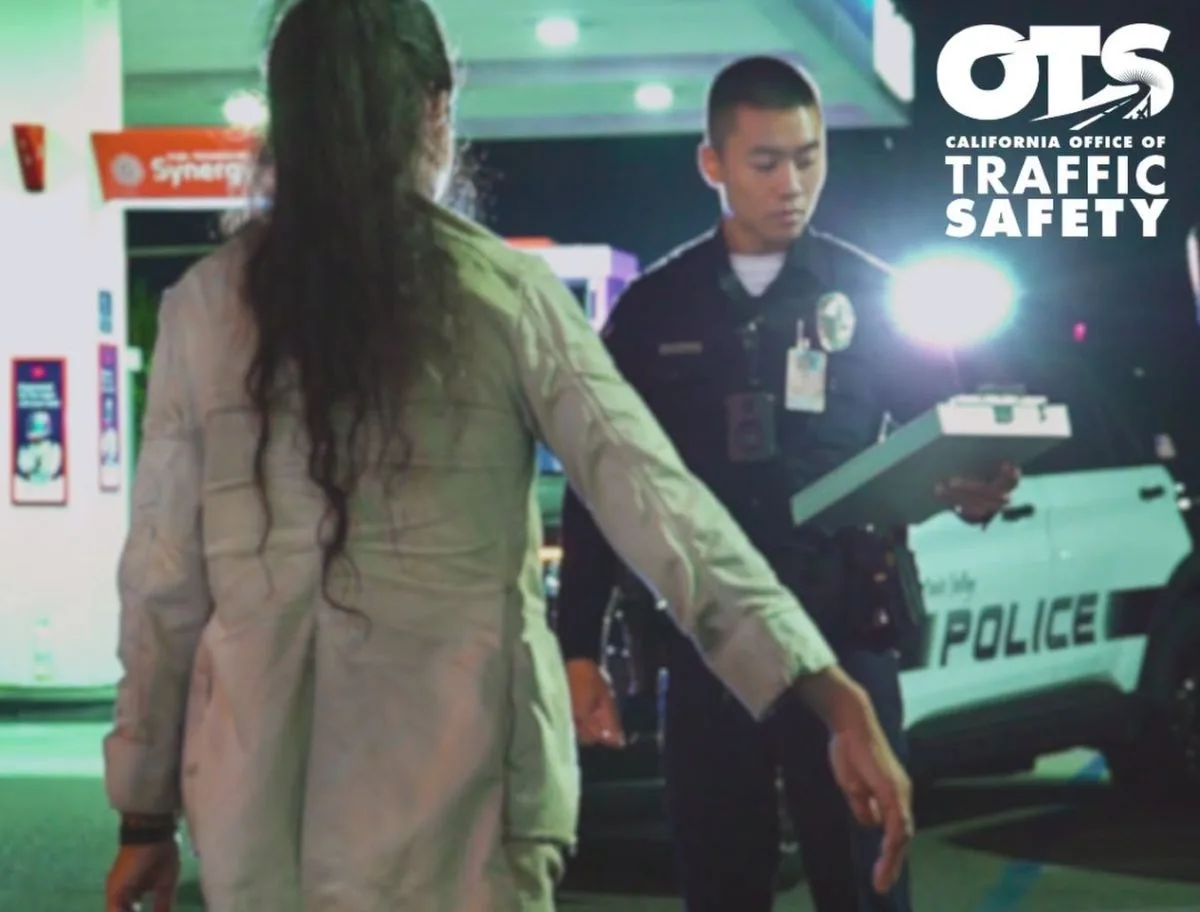
The Fountain Valley Police Department has announced a DUI and Driver License Checkpoint scheduled for Saturday, July 25, on Brookhurst Street near Heil Avenue.

Checkpoint locations are chosen using data identifying areas with high rates of impaired driving crashes. This proactive measure aims to remove unsafe drivers from the road and improve overall public safety. Funding for this enforcement program is provided by a grant from the California Office of Traffic Safety through the National Highway Traffic Safety Administration.
The Staggering Financial Cost of a First-Time DUI in California
Getting pulled over and cited for a DUI at a checkpoint carries catastrophic financial consequences. A first-time DUI offense in California results in an average of $13,500 in fines and penalties. This cumulative amount includes court-ordered fines ranging from $390 to $1,000, hefty court penalty assessments, vehicle impound fees, tow charges, and mandatory DUI school enrollment fees. Furthermore, drivers must pay costly license reinstatement fees to the California DMV once their mandatory suspension period concludes.
Severe Criminal Charges and Penalties for Standard and Commercial Drivers
Violators at the checkpoint face strict criminal prosecution under the California Vehicle Code. A standard first-time non-injury DUI is prosecuted as a misdemeanor, carrying penalties such as three to five years of informal probation, up to six months in county jail, and a driver’s license suspension lasting six to ten months.
The stakes are much higher for professional drivers holding a Commercial Driver License (CDL). Under California law, a commercial driver can be convicted of a Commercial Vehicle DUI with a blood alcohol concentration (BAC) of just 0.04% or higher. A single DUI conviction triggers a mandatory one-year suspension of their CDL privileges, even if the violation occurred while driving a personal vehicle. If the driver was transporting hazardous materials, the suspension increases to three years. A second DUI offense results in the permanent, lifelong revocation of the CDL, effectively ending the individual’s commercial driving career since California does not issue restricted or hardship commercial licenses.
How a Checkpoint Violation Destroys Your Auto Insurance Rates
The financial fallout of a DUI checkpoint arrest extends long into the future through auto insurance premium hikes. In California, a DUI conviction causes annual car insurance rates to skyrocket by an average of $3,000 to $3,535, more than doubling the baseline premium for standard drivers.
- High-Risk Classification: Insurance carriers will reclassify you as a high-risk driver, pricing their policies to reflect the statistical probability of a future accident.
- Mandatory SR-22 Filing: Drivers must have their insurer submit an SR-22 Proof of Financial Responsibility Form to the DMV, which strips away standard policy discounts.
- Policy Cancellation: Some standard auto insurance providers will entirely cancel or refuse to renew your coverage, forcing you to seek expensive specialty high-risk insurance.
- Long-Term Impact: These premium penalties heavily impact your finances for three to seven years before insurers begin to disregard the conviction.
Data Proves the Efficacy of California Sobriety Checkpoints
While checkpoints are sometimes viewed as an inconvenience, scientific data strongly validates their efficacy as a deterrent. Peer-reviewed research published by the National Institutes of Health demonstrates that localized roadside sobriety checkpoints correspond directly with a significant drop in alcohol-involved motor vehicle crashes. According to wider traffic safety meta-analyses, highly publicized sobriety checkpoint programs reduce alcohol-related injury and fatal crashes by 17% to 20% minimum in the target communities. The highly visible presence of law enforcement forces drivers to reconsider driving under the influence, saving countless lives.
Drug Violations and the Hidden Danger of Marijuana Impairment
Fountain Valley officers at the checkpoint are fully trained to bust drivers for drug violations alongside alcohol impairment. Driving under the influence of drugs (DUID) applies to illegal narcotics, prescription medications, over-the-counter drugs, and marijuana.
Even though recreational marijuana usage is legal in California, driving while high remains strictly illegal. Tetrahydrocannabinol (THC) impairs cognitive functioning, slows down driver reaction times by up to 50%, distorts spatial perception, and diminishes short-term memory. Clinical guidelines from the Center for Medicinal Cannabis Research indicate that inhaled cannabis smoke or vapor can impair safe driving abilities for at least five to six hours. If THC is ingested via edibles, the impairment window is significantly delayed, peaking hours later and altering motor skills for eight to ten hours. Officers use specialized field sobriety evaluations to identify drug impairment, and a DUID carries the exact same $13,500 penalty structure as an alcohol-based conviction.
Practical Alternatives to Avoid Drunk or Impaired Driving
Avoiding a life-altering DUI arrest or a tragic collision simply requires planning a safe alternative before your night begins.
- Rideshare Applications: Use smartphone rideshare platforms like Uber or Lyft to secure a reliable, on-demand ride home.
- Designated Drivers: Appoint a completely sober driver within your group who vows not to consume any alcohol or cannabis for the entirety of the evening.
- Public Transportation: Utilize local Orange County Transportation Authority (OCTA) bus lines or regional train systems to travel safely across the city.
- Taxi Services: Keep the telephone number of a local traditional taxi company saved in your contacts for locations where rideshare availability might be sparse.
- Overnight Lodging: Book a nearby hotel room, use a short-term rental facility, or stay overnight at a friend’s house instead of attempting to drive home while buzzed.