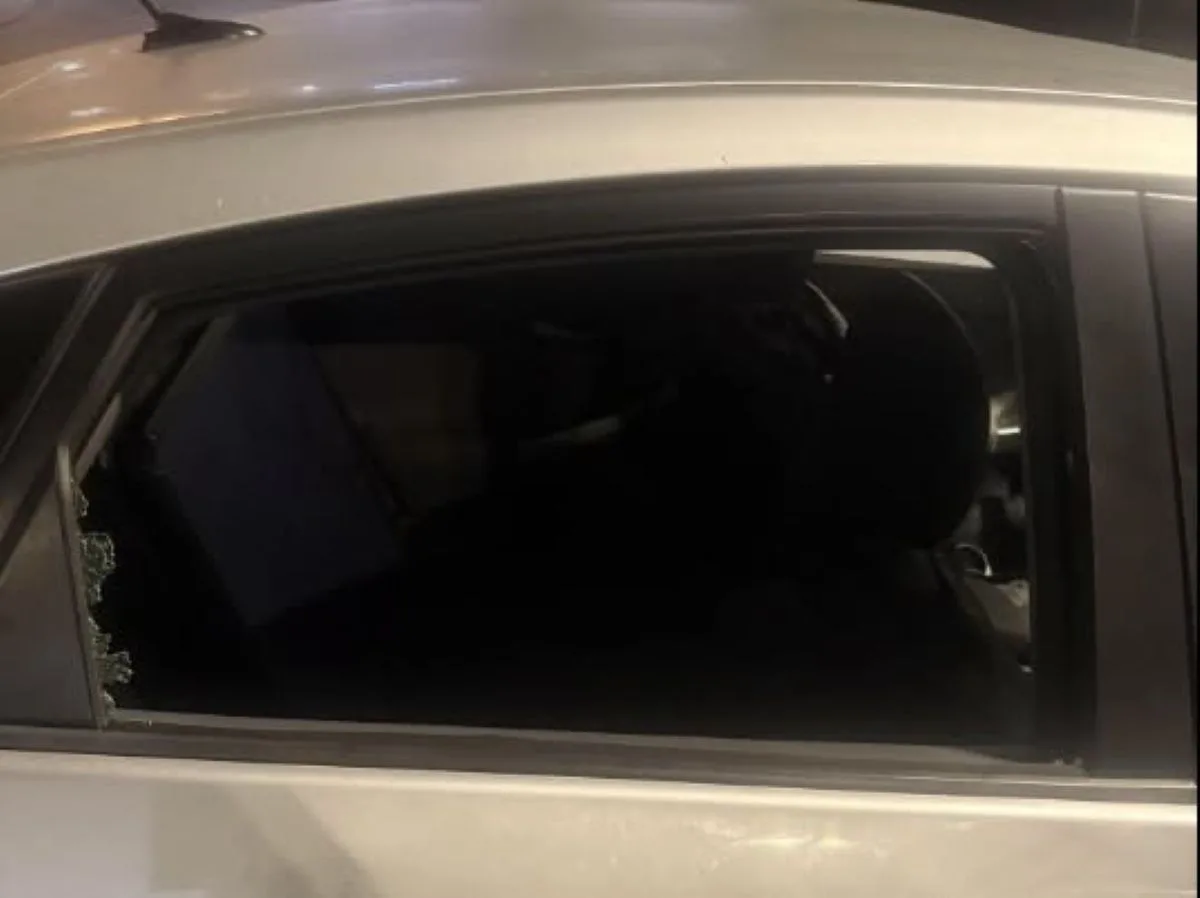
A high-stakes smash-and-grab theft in Irvine, California, serves as a stark reminder that thieves will target anything they deem valuable. According to the Irvine Police Department, a collector recently attended a regional Pokémon convention before stopping for a meal at the busy Diamond Jamboree shopping center. While the victim was away from his vehicle, a suspect shattered the rear passenger-side window and made off with approximately $13,000 worth of collectible Pokémon cards.

Investigators strongly suspect the perpetrators scoped out the convention, actively watched the victim, and trailed his car to wait for the perfect opportunity to strike. Law enforcement is urging anyone with surveillance footage or tips regarding this targeted theft to step forward immediately.
Criminal Charges the Suspects Could Face
If apprehended, the individuals responsible for this heist face heavy legal consequences under California law. Because the stolen items exceed the state’s $950 threshold for misdemeanor theft, the suspects will face grand theft charges, a “wobbler” offense that can be prosecuted as a felony carrying up to three years in state prison. Additionally, breaking into a locked vehicle with the intent to commit a theft constitutes second-degree vehicular burglary, which carries an additional felony penalty of up to three years. The suspects may also be hit with misdemeanor vandalism charges for shattering the car’s window and causing physical property damage.
The Surge in Pokémon Card Theft Across California and the U.S.
This incident is not an isolated crime but part of a massive, ongoing nationwide trend of organized trading card thefts. Over the last couple of years, collectible card shops and hobbyists throughout the United States have seen a surge in targeted robberies, driven by soaring secondary market values for rare cards. In Northern California, masked bandits executed a rapid 39-second raid at a Brentwood card shop, escaping with $15,000 in inventory. Meanwhile, Southern California has become a primary hotspot for this crime wave. Earlier this year, a highly coordinated crew tunneled through a wall in Anaheim to plunder $180,000 worth of premium cards. Police departments note that trading cards function like untraceable cash on the black market, making high-level collectors prime targets for armed robberies, retail theft, and vehicular break-ins.
Essential Tips for Keeping Your Valuables Safe in Your Vehicle
- Never leave collectibles in cars: Treat your trading cards like cash or fine jewelry and carry them with you at all times.
- Stay alert when leaving events: Be deeply aware of your surroundings when leaving conventions, as thieves frequently follow high-profile buyers or sellers. [1, 2]
- Vary your post-event route: Drive a roundabout path after a card show to identify and lose any vehicles that might be trailing you. [1]
- Keep passenger cabins empty: Hide all bags, boxes, or binders completely out of sight in the trunk before you arrive at your destination.
- Park in high-visibility zones: Choose well-lit parking spaces directly underneath active commercial surveillance cameras or heavy foot traffic.
How to Properly Insure Your Collectible Card Inventory
Standard auto insurance policies cover damage to the vehicle itself, meaning comprehensive coverage will pay to replace a smashed window but will completely exclude the stolen personal belongings inside. To recover losses from property theft, individuals must look to their renters or homeowners insurance policies. While these policies cover personal property stolen from a vehicle, standard plans usually feature a strict sub-limit—often capped between $1,000 and $2,500—for high-value collectibles.
Because a specialized collection can easily exceed these limits, serious hobbyists must take proactive measures to guarantee complete financial recovery. To protect a high-value collection, you should obtain a scheduled personal property endorsement or buy a dedicated collectibles insurance policy. These specialized policies protect items at their current evaluated market value rather than a depreciated cash value. To secure this coverage, collectors must maintain an up-to-date, digitized inventory featuring professional grading certificates, detailed photographs, serial numbers, and purchase receipts.