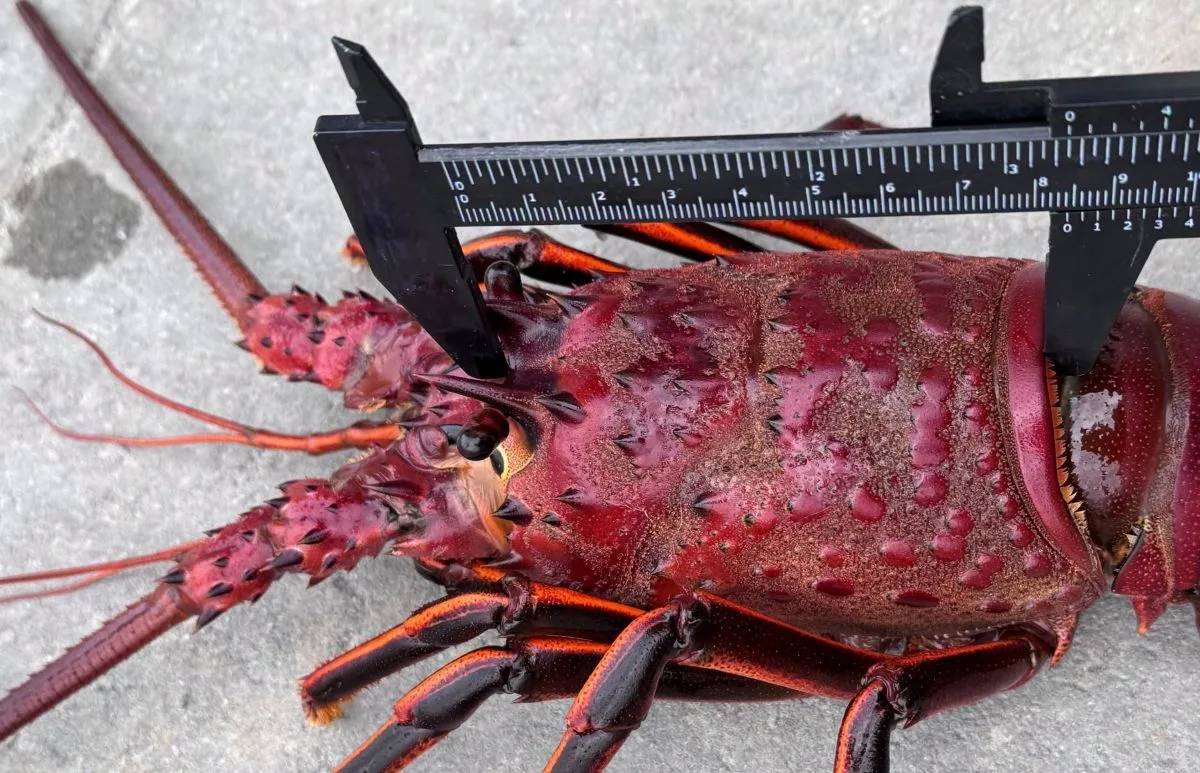
The California Department of Fish and Wildlife is reminding Southern California anglers that the 2026-27 recreational California spiny lobster season is now underway and runs through March 17. With lobster hoop-netting increasingly popular on public piers and coastal waters throughout Orange County and Southern California, wildlife officials are emphasizing that even recreational anglers can face substantial fines and criminal penalties for violating lobster regulations.
According to California Department of Fish and Wildlife, anglers fishing for lobster from a public pier may use up to two hoop nets and do not need a California sport fishing license. However, every person fishing for lobster, including children under age 16, must possess a valid California Spiny Lobster Report Card and comply with all reporting requirements. Anglers must record fishing activity before they begin, document harvested lobsters when they finish fishing and submit report cards by April 30, even if they caught nothing during the season.

Officials are also reminding anglers that California’s daily bag and possession limit is seven lobsters per person and that all harvested lobsters must have a minimum carapace length of 3¼ inches. Undersized lobsters must be released immediately, and lobsters caught on a public pier may only be taken using hoop nets. Lobsters caught with hook-and-line gear must be released.
Illegal Lobster Harvest Can Lead to Criminal Charges
While many anglers view lobster violations as minor infractions, California law treats many wildlife offenses seriously.
Common lobster-related violations include:
- Possessing undersized lobsters
- Exceeding the daily bag limit
- Taking lobster during the closed season
- Failing to carry a lobster report card
- Failing to accurately complete a report card
- Using illegal gear
- Possessing lobster taken unlawfully
- Commercial poaching operations
Depending on the facts of a case, violations may be charged under provisions of the California Fish and Game Code and California Code of Regulations governing marine fisheries.

Potential Penalties and Fines
For recreational anglers, penalties often include:
- Monetary fines that can range from several hundred dollars to several thousand dollars
- Court assessments and penalty surcharges
- Forfeiture of illegally taken lobster
- Seizure of equipment used in the violation
- Probation
- Suspension or revocation of fishing privileges
More serious cases involving large-scale poaching, commercial sales of illegally taken lobster, repeated offenses or conspiracy-related conduct can result in misdemeanor criminal charges.
Possible consequences can include:
- Criminal convictions
- Probation
- Thousands of dollars in fines and restitution
- Confiscation of vessels, traps, nets or other equipment
- Up to six months in county jail for certain misdemeanor wildlife offenses
- Additional penalties for each illegally possessed lobster
Judges frequently consider the number of lobsters involved, prior violations, commercial intent and environmental impacts when determining punishment.
Why Lobster Regulations Matter
California’s spiny lobster fishery is one of the state’s most closely monitored recreational marine fisheries.
The regulations are designed to:
- Protect juvenile lobsters from overharvest
- Maintain breeding populations
- Support long-term fishery sustainability
- Ensure fair access for recreational anglers
- Prevent black-market seafood trafficking
The minimum-size requirement is particularly important because undersized lobsters have not yet had sufficient opportunities to reproduce and contribute to future populations.
Southern California Remains a Hotspot for Lobster Enforcement
Wildlife officers routinely conduct enforcement operations throughout Southern California’s coastal counties, particularly during the opening weeks of lobster season when participation levels are highest.
Common enforcement locations include:
- Newport Beach Harbor
- Balboa Pier
- Huntington Beach Pier
- Dana Point Harbor
- Oceanside Harbor
- Mission Bay
- San Diego Bay
- Long Beach and San Pedro waterfront areas
CDFW wardens frequently inspect report cards, measure harvested lobsters and check bag limits during both day and nighttime operations.
Orange County Cities Most Associated With Lobster Activity and Enforcement Contacts
California does not publish a comprehensive city-by-city ranking of lobster citations issued statewide each year. As a result, there is no official public database identifying the Orange County cities with the highest numbers of lobster-specific violations.
However, based on the locations where lobster fishing activity is most heavily concentrated and where enforcement contacts are most commonly reported, the primary Orange County hotspots include:
- Newport Beach
- Dana Point
- Huntington Beach
- Laguna Beach
- Seal Beach
These cities contain major piers, harbors, jetties and coastal access points that attract large numbers of recreational lobster anglers each season.
Enforcement Often Peaks During Opening Weeks
Wildlife officers frequently encounter several recurring violations during the early portion of the season:
- Anglers keeping undersized lobsters
- Failure to possess a lobster report card
- Failure to record fishing activity before fishing begins
- Exceeding the seven-lobster daily limit
- Possessing improperly measured lobsters
- Illegal methods of take
Wardens remind anglers that claiming ignorance of the regulations generally does not prevent a citation from being issued.
What Anglers Should Do Before Heading Out
Before fishing for lobster this season, anglers should:
- Obtain a valid Spiny Lobster Report Card
- Bring an approved lobster measuring gauge
- Learn how to properly measure carapace length
- Record required information before fishing
- Verify daily bag limits
- Keep only legal-size lobster
- Submit report cards by April 30
The recreational California spiny lobster season remains open through March 17, giving anglers several months to enjoy one of Southern California’s most popular seasonal fisheries, provided they carefully follow the rules designed to protect the resource for future generations.