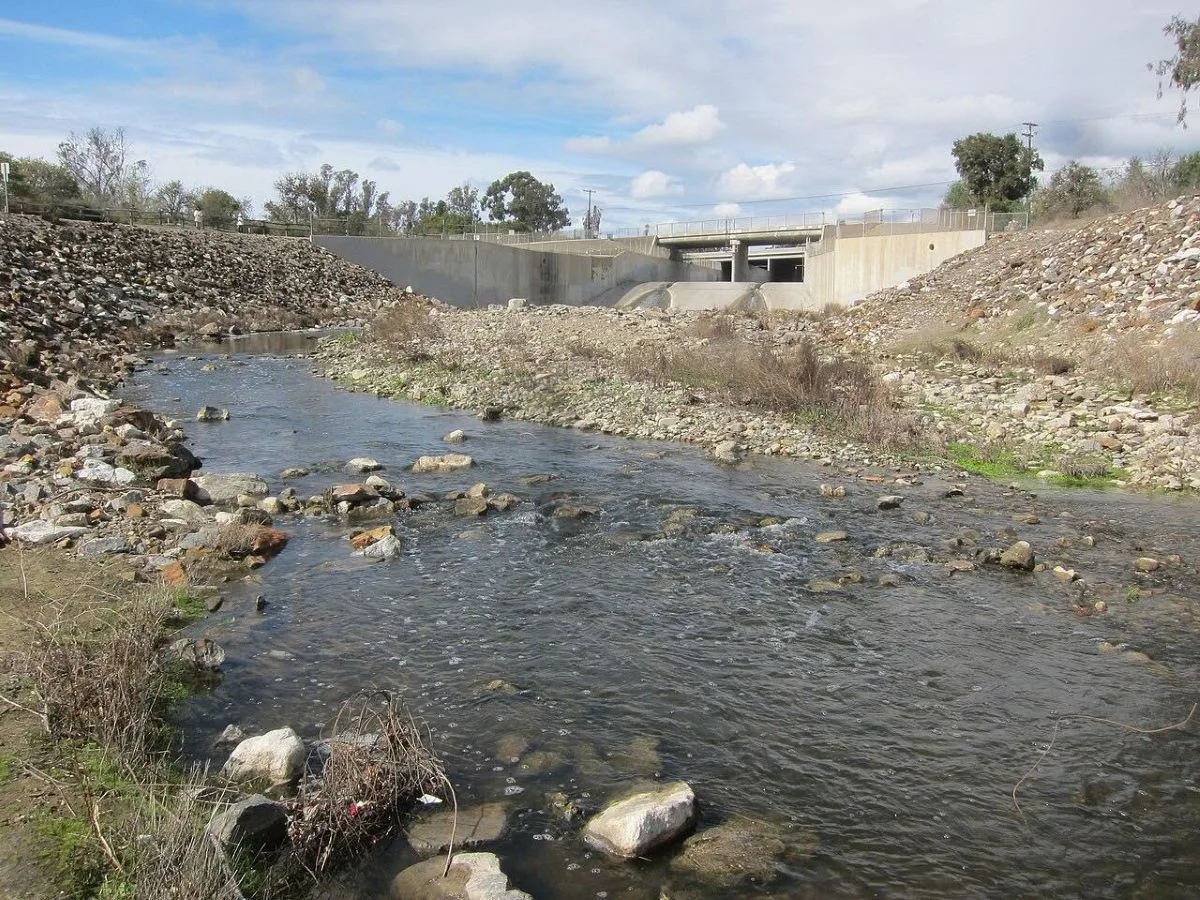
The Orange County Board of Supervisors approved a one-year pilot program to halt routine herbicide spraying in San Juan and Trabuco Creeks, sparking a fierce debate over policy ownership and public transparency between Supervisors Don Wagner and Katrina Foley.

The decision comes after months of intense community backlash and competing directives regarding chemical pest management. Below is a breakdown of Supervisor Don Wagner’s recent policy clarification and how it contrasts with Supervisor Katrina Foley’s past statements.
Wagner’s Clarification: “Facts and Measurable Outcomes”
In a public statement addressing widespread confusion on social media, Third District Supervisor Don Wagner sought to set the record straight on the board’s recent vote. Wagner stated that his approved motion specifically creates a data-gathering framework.
- Targeted Halt: The pilot program temporarily stops routine herbicide spraying exclusively in San Juan and Trabuco Creeks.
- One-Year Timeline: The program will track real-world environmental, financial, and mechanical effectiveness data over the next year.
- No “Resumed” Spraying: Wagner emphasized that the county was never under an official board directive to stop spraying prior to his motion, meaning the vote does not “resume” toxic applications.
- Opposition to Immediate Bans: Wagner firmly argued against a countywide ban without localized data, citing potential $14 million management costs and critical flood control infrastructure risks.
The Policy Rift: Wagner vs. Foley
The vote exposes a deeper conflict over how Orange County should handle chemical weed control, presenting two distinctly different approaches to local governance.
| Feature / Issue | Supervisor Don Wagner’s Stance | Supervisor Katrina Foley’s Stance |
|---|---|---|
| Scope of Policy | Advocates for localized, data-driven pilot projects before making any countywide decisions. | Pushed for an immediate, formal countywide plan to phase out routine herbicide use. |
| Unilateral Directives | Questioned how a supervisor could enact pauses without full board consensus or formal votes. | Unilaterally announced a “countywide pause” in May 2026 following intense local backlash. |
| Legislative Language | Claims his motion was the only one that explicitly instructed staff to halt spraying in the target creeks. | Introduced an alternative item (S10A) directing staff to completely overhaul Integrated Pest IPM practices. |
| Primary Concern | Balancing environmental health with the preservation and cost of flood control infrastructure. | Eradicating “harmful toxins” and cancer-causing chemicals from public waterways immediately. |
Weeks of Confusion and Political Friction
The conflict peaked in May 2026 when Foley announced that OC Public Works was pausing herbicide spraying after a state probe was launched near Doheny Beach. Supervisors Don Wagner and Janet Nguyen publicly criticized Foley, accusing her of overstepping her authority by issuing policy directives to county staff without a vote from the full board. The friction grew so intense that Board Chairman Doug Chaffee had to temporarily gavel the meeting into a recess to restore order.
While Foley credit’s the grassroots “Creek Team” activists for driving the push to change county pest management, Wagner maintains that a cautious, science-backed trial is the only responsible way to protect both the local environment and public infrastructure. Staff will report the pilot findings back to the Orange County Board of Supervisors in 2027.
Katrina Foley is Annoying to the core as typical for a Dem-Crat, I heard she’s born & from Bakersfield….. What the hell she doing down in OC