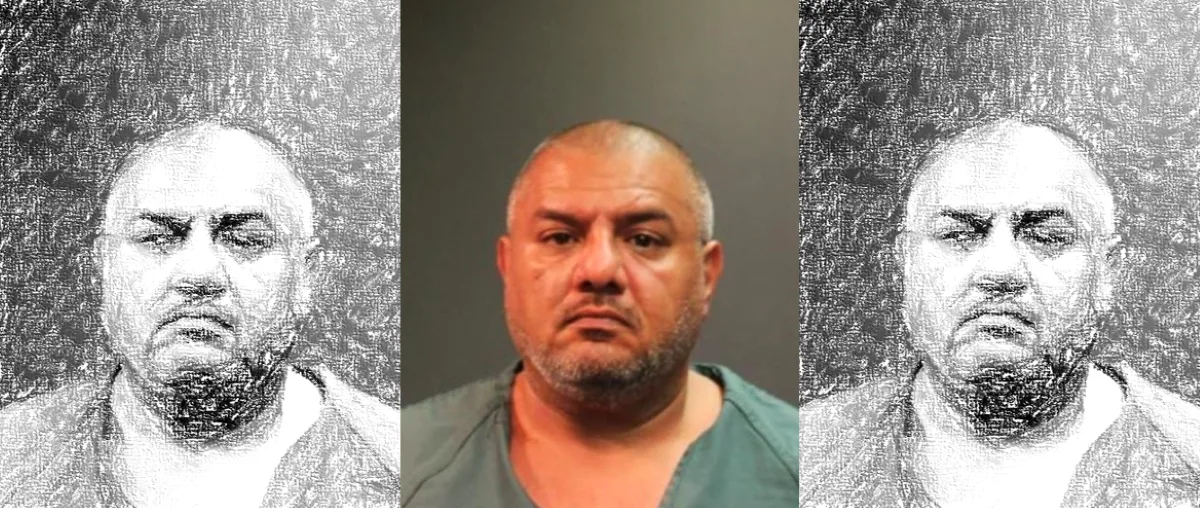
An Orange County case involving an Uber driver who assaulted an intoxicated passenger has renewed focus on rideshare safety, with newly unsealed national data showing Uber received 400,181 reports of sexual assault or sexual misconduct between 2017 and 2022 — an average of one report every eight minutes .

Amir Attia, 51, was sentenced on Sept. 3 to eight years in state prison after being convicted of two felony counts of sexual penetration of an intoxicated person.
Prosecutors said Attia picked up a 25‑year‑old woman from the Tustin Police Station in July 2018, shortly after she was released following a DUI arrest.
Surveillance footage showed the woman stumbling and struggling to walk, with a blood‑alcohol level more than three times the legal limit. She later awoke at home sore and confused; DNA testing confirmed Attia’s saliva on her breast, and he admitted to digital penetration.
During trial, Attia’s attorney argued the woman initiated sexual contact, but prosecutors said she was far too intoxicated to consent. Deputy District Attorney Elise Levy told jurors Attia exploited the situation: “It was in the middle of the night, she was alone in a car with him, no one else was around and she was unable to protect herself.”
Attia also had a prior conviction for misdemeanor sexual battery in 1983, further influencing the jury’s decision.
OC Deputy District Attorney Elise Levy was the prosecutor on this case. T. Edward Welbourn was the defesnse attorney. He is a well‑known Orange County criminal defense attorney. He argued unsucessfully that argued that “the victim initiated sexual contact and that Attia’s actions were “morally and ethically wrong, but not criminal.”
Why Police Release Extremely Intoxicated People Alone
Legally, once someone is arrested for DUI, processed, and medically cleared, police have no authority to continue holding them unless:
- they’re a danger to themselves in a medical sense,
- they’re a danger to others in a criminal sense,
- or they’re being booked into jail.
Most DUI arrestees are released after sobering up enough to be coherent — but “coherent” is a low bar. It does not mean safe, steady, or capable of good judgment. It simply means:
- they can answer basic questions,
- they’re not medically unstable,
- they’re not legally incapacitated,
- and they’re not being charged with additional crimes.
Police departments are extremely cautious about holding someone longer than necessary because unlawful detention lawsuits are expensive and easy to win.
So the system defaults to: Release them. Let them arrange their own transportation. Liability shifts away from the department.
Why It Feels Wrong — Especially for Women
Because the legal standard doesn’t match the real‑world risk.
A woman released alone at 2 a.m., still heavily intoxicated, is:
- cognitively impaired,
- physically vulnerable,
- unable to assess danger,
- unable to defend herself,
- and often embarrassed or disoriented after a DUI arrest.
That’s exactly the profile predators exploit — including rideshare drivers who know passengers are unlikely to report misconduct due to shame, fear, or confusion.
Rideshare Assault Trends: What National Data Shows
While Uber publicly claims that 99.9% of trips occur without incident, sealed court records reviewed by The New York Times show a far broader pattern of misconduct than previously disclosed. Between 2017 and 2022:
- Uber logged 400,181 sexual assault or misconduct reports nationwide.
- Uber’s public safety reports only disclosed 12,522 serious sexual assaults for the same period, omitting lower‑level categories such as unwanted touching, explicit comments, or harassment.
- Incidents were most likely to occur late at night, on weekends, and near bars, according to internal Uber pattern‑analysis teams.
- Women were the most frequent victims, and offenders were typically men — both drivers and passengers — often with prior complaints or low ratings.
How Passengers Can Stay Safe in Uber and Lyft
Safety experts, law enforcement, and rideshare‑safety organizations recommend several steps riders can take to reduce risk:
- Verify the vehicle and plate — Confirm the license plate, make/model, and driver photo before entering. If anything doesn’t match, cancel immediately.
- Ask the driver your name — Never say your name first. Ask, “Who are you picking up?” This prevents impersonation scams.
- Use PIN verification — Uber and Lyft offer optional ride‑verification codes to ensure you’re entering the correct vehicle.
- Share your trip — Use built‑in location‑sharing so trusted contacts can monitor your ride in real time.
- Sit in the back seat — Provides distance and an easier exit if needed.
- Avoid revealing personal details — Keep your home address, phone number, and private information to yourself.
- Book and pay only through the app — Never accept off‑app rides; they remove all safety protections and GPS tracking.
- Use the emergency button — Uber and Lyft both offer 911 integration that sends your GPS location to dispatchers.
Safer Alternatives to Uber in Orange County
For riders who want additional layers of safety, several alternatives offer more controlled environments:
- Traditional taxis — OC‑based regulated taxi services with fingerprinted drivers
- Yellow Cab of Orange County: https://www.yellowcab.com
- A Taxi Cab OC: https://www.ataxicaboc.com
- Designated driver services — vetted drivers who use your car to get you home safely
- Dryver: https://www.dryver.com
- SafeRide America: https://www.saferideamerica.org
- Private car services — licensed chauffeurs, background checks, predictable routes
- Blacklane: https://www.blacklane.com
- EmpireCLS: https://www.empirecls.com
- Public transit — no need to enter a stranger’s vehicle, but watch out for the other passengers…
- OC Bus (OCTA): https://www.octa.net
- Metrolink: https://www.metrolinktrains.com
- Rides with trusted friends — still the safest option after drinking
As Orange County continues to rely heavily on rideshare services for nightlife, commuting, and DUI‑prevention, cases like Attia’s highlight the importance of rider vigilance.
With sexual misconduct reports occurring every eight minutes nationwide, passengers should take proactive steps to verify their ride, use built‑in safety tools, and consider safer alternatives when possible.