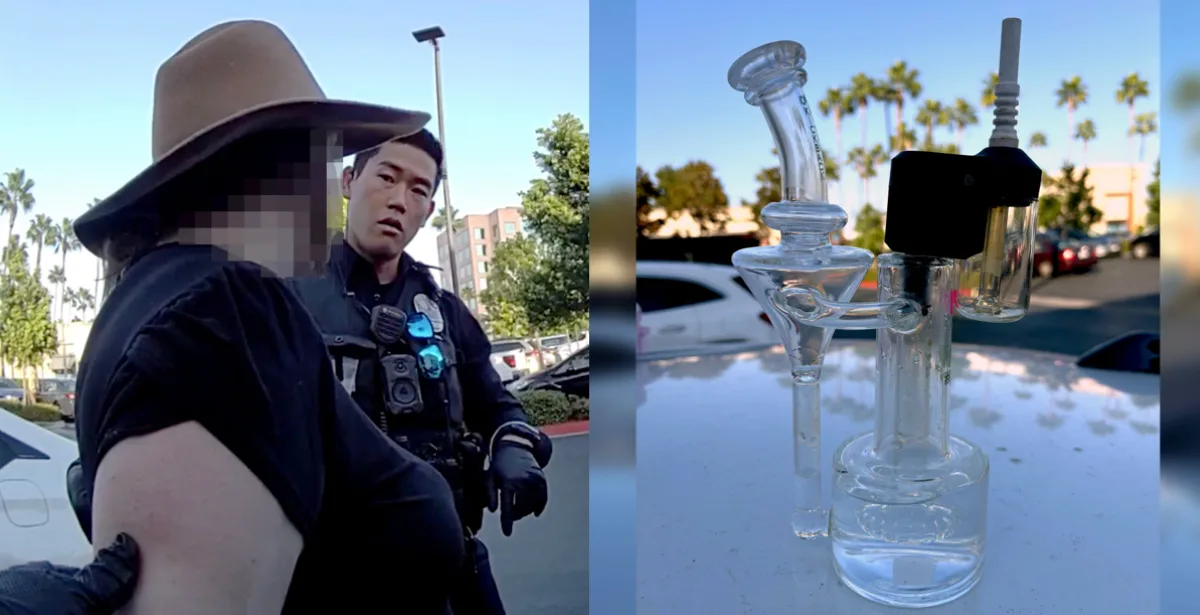
The Irvine Police reported yesterday that officers arrested a woman, Mallory Marie Kurth, 35, of Costa Mesa, after discovering she was using narcotics inside her vehicle.

Photos released by the department show stacks of cash, drug paraphernalia, and multiple baggies containing suspected controlled substances.
The incident highlights ongoing drug‑related enforcement activity across Orange County and the severe legal, safety, and financial consequences tied to drug use behind the wheel.

Likely Criminal Charges
Based on the items visible and the circumstances described, the suspect is likely to face several California criminal charges, including:
- Possession of a controlled substance — A misdemeanor or felony depending on the drug type and quantity.
- Possession of controlled substances for sale — A felony carrying multi‑year prison exposure when baggies, scales, or large amounts of cash indicate sales activity.
- Possession of drug paraphernalia — A misdemeanor commonly added when pipes or smoking devices are found.
- Use or being under the influence of a controlled substance — A misdemeanor that applies when officers determine the suspect was actively using narcotics.
- DUI – drugs — A misdemeanor or felony depending on prior history, injury, or impairment level. Drug‑impaired driving is treated with the same seriousness as alcohol DUI.
If any of the substances qualify as Schedule I or II narcotics, or if fentanyl is involved, prosecutors often pursue enhanced penalties due to the extreme danger and fatality risk associated with these drugs.
Likely Sentences and Penalties
California sentencing varies by drug type, quantity, and prior criminal history, but typical exposure includes:
- Possession for sale: 2–4 years in county jail or state prison, plus fines that can exceed $10,000.
- Drug DUI: Fines from $390 to over $5,000, mandatory DUI classes, license suspension, probation, and possible jail time.
- Under the influence: Up to one year in county jail.
- Paraphernalia possession: Up to six months in jail and additional fines.
If fentanyl is confirmed, prosecutors often seek harsher terms due to its lethality. Courts may also impose search conditions, drug testing, and mandatory treatment programs.
Dangers of the Drugs Involved
The substances shown appear consistent with methamphetamine, fentanyl, or other high‑risk narcotics. These drugs carry severe dangers:
- Fentanyl is up to 50 times stronger than heroin, and even micro‑doses can cause fatal overdose.
- Methamphetamine use significantly impairs judgment, reaction time, and motor skills.
- Smoking or vaporizing narcotics inside a vehicle creates immediate impairment and increases the risk of collisions.
Orange County has seen a surge in fentanyl‑related deaths in recent years, with hundreds of fatalities annually. Drug‑impaired driving is a growing contributor to fatal crashes statewide.
Impact on Auto Insurance
Using narcotics inside a vehicle and being arrested for drug DUI has major insurance consequences:
- Policy cancellation is common after a drug‑related DUI.
- SR‑22 filing becomes mandatory for license reinstatement.
- Premiums often increase 100–200%, reflecting high‑risk classification.
- Some insurers refuse to cover drivers with drug‑related DUI convictions altogether.
Even without a DUI conviction, being arrested for drug use inside a vehicle can trigger insurer review and potential non‑renewal.
Danger of Driving After Drug Use
Drug‑impaired driving is one of the fastest‑growing threats on California roads. Statewide data shows:
- Roughly 30% of fatal crashes involve impaired drivers, including drug‑related impairment.
- Orange County agencies report thousands of DUI arrests annually, with a rising share involving narcotics rather than alcohol.
- Drug‑induced fatal crashes have increased as fentanyl and methamphetamine use has surged.
Driving after using narcotics dramatically increases the risk of fatal collisions due to slowed reaction time, hallucinations, poor judgment, and loss of motor control.
Drug‑Related Arrest Trends in Orange County
Law enforcement agencies across Orange County continue to report high levels of drug‑related arrests:
- Traffic stops frequently lead to narcotics seizures; some agencies report that 10–20% of stops uncover drugs or paraphernalia.
- Fentanyl‑related arrests have climbed sharply since 2020.
- Multi‑agency operations routinely seize large quantities of methamphetamine, fentanyl, and counterfeit pills.
These trends reflect both increased enforcement and the rising availability of dangerous synthetic narcotics.
The Bottom Line
- Drug use inside vehicles is treated as both a criminal offense and a public‑safety threat.
- Prosecutors often combine charges to maximize accountability when cash, paraphernalia, and multiple drug types are found.
- Courts may impose restitution, treatment programs, and long‑term probation conditions.
- Community safety concerns continue to drive proactive enforcement by Irvine Police and other Orange County agencies.
What a lo life moron she is, she could of cover her windows with some sunshades but rather expose her show for free.