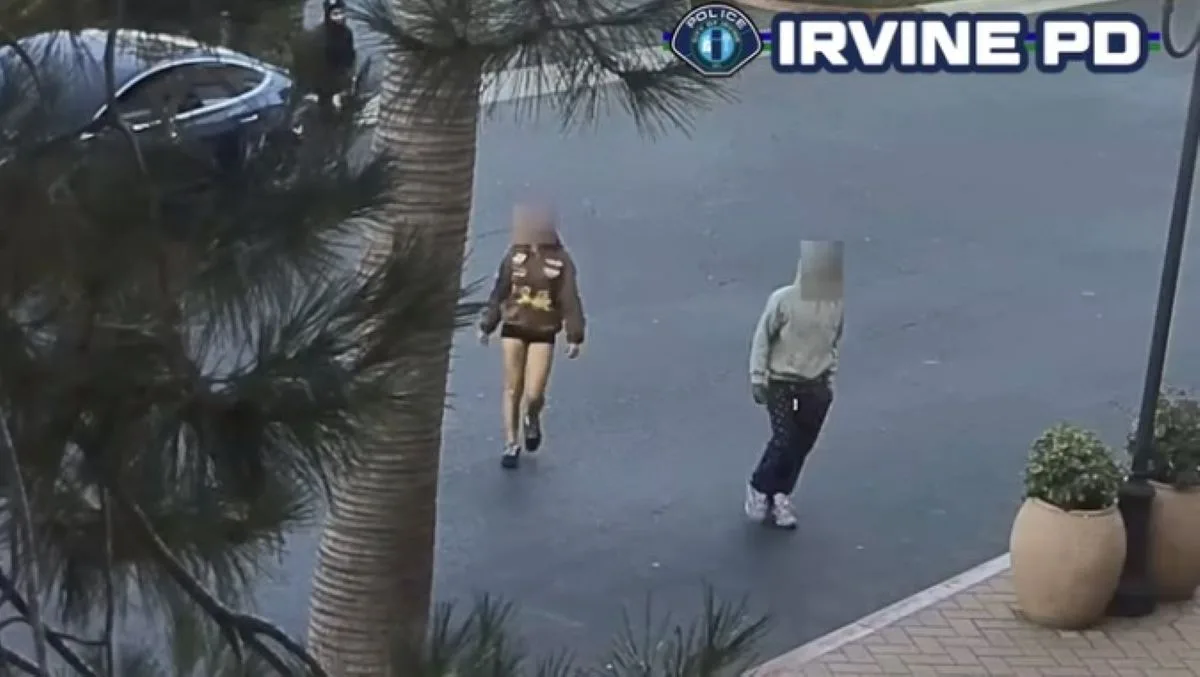
An extensive investigation by the Irvine Police Department has ended a lucrative retail crime spree hitting high-end athletic apparel stores across Southern California. On June 15, 2026, officers at the Irvine Spectrum Center responded to a grand theft at the local Lululemon, where a group of thieves grabbed handfuls of apparel worth over $3,000 and fled to a waiting vehicle.

Following up on the June heist, Irvine Spectrum Officers and Detectives tracked down and arrested two primary suspects in Carson:
The investigation quickly expanded beyond Irvine. A subsequent search of a Los Angeles apartment uncovered mountains of stolen clothing linked to several other Lululemon locations across Los Angeles County. Police confirmed the pair operated as part of a highly coordinated, regional retail theft operation.
Expected Legal Charges for the Suspects
While the suspects were initially booked on suspicion of commercial burglary, the scale of the recovered merchandise means they are highly likely to face severe felony counts under California law:
- Grand Theft (Penal Code 487): Because the value of the stolen clothes in Irvine alone exceeded the state’s $950 threshold for felony grand theft, this charge is virtually guaranteed.
- Commercial Burglary (Penal Code 459): Entering a commercial business with the intent to commit grand or petty larceny constitutes burglary.
- Organized Retail Theft (Penal Code 490.4): Given that the suspects worked in tandem and stored merchandise from multiple counties to resell, prosecutors will likely leverage California’s strict organized retail crime statutes, which target “booster” and “fencing” networks.
The Changing Landscape of Retail Crime in Orange County
This arrest comes amidst a high-stakes, statewide crackdown on retail crime networks. According to statewide data released by the California Governor’s Office and the FBI, shoplifting reports hit historic highs across California, jumping nearly 14% to over 132,000 cases annually.
However, enforcement in Orange County and surrounding regions has tightened dramatically. The California Highway Patrol’s Organized Retail Crime Task Force (ORCTF), alongside heavily funded local police agencies, has recovered over $260 million in stolen goods. Just days prior to this arrest, a joint regional operation in nearby Anaheim resulted in the seizure of $2.2 million in stolen merchandise from a single black-market warehouse, signaling that Orange County law enforcement is aggressively moving from arresting individual shoplifters to dismantling entire fencing rings.
Why Criminals Constantly Target Lululemon Stores
Lululemon has routinely surfaced as a primary target for organized retail crime rings nationwide. Criminologists and retail loss prevention specialists point to a few key reasons why luxury athleisure brands are so heavily victimized:
- Premium Resale Value: Lululemon items carry an exceptionally high price-per-item ratio. A small armful of leggings and jackets easily exceeds thousands of dollars, making it incredibly lucrative for thieves looking to maximize their payout per run.
- Absence of Serial Numbers: Unlike high-end electronics or designer handbags, individual pieces of apparel do not feature unique, trackable serial numbers. Once a thief removes the standard retail garment tag, the clothing becomes virtually untraceable.
- Insatiable Online Demand: There is a massive secondary market for discounted athleisure. Stolen goods are funneled rapidly onto digital platforms like Facebook Marketplace, eBay, and Poshmark, where anonymous sellers can liquidate merchandise to unsuspecting buyers within hours.
Essential Theft Prevention Tactics for High-End Retailers
Luxury apparel retailers can significantly reduce their vulnerability to organized retail crime by implementing a mix of behavioral, structural, and technological defenses.
- Deploy Customer-Centric Deterrence: Implement a strict “greet-all” policy at the entrance. Thieves seek anonymity, so immediate eye contact and proactive customer service remove their cover and signal a highly alert staff.
- Optimize Store Floor Layouts: Position cash wraps and employee stations near the exit to create a natural physical barrier. Keep high-value inventory away from doors to eliminate quick “smash-and-grab” opportunities.
- Upgrade to RFID Tracking: Transition from standard electronic article surveillance (EAS) tags to Radio-Frequency Identification (RFID) technology. RFID chips track individual item movement in real-time, instantly alerting staff if bulk quantities leave a display rack simultaneously.
- Implement Benefit-Denial Systems: Utilize heavy-duty ink tags or advanced electronic alarming tags on premium outerwear and high-demand leggings. These tags ruin the merchandise or emit a piercing alarm if forced open, destroying the resale value for shoplifters.
- Utilize Public-View Monitors: Install highly visible security monitors at eye level near the entrance and high-theft zones. Seeing their own face on a screen immediately alerts criminals that high-definition cameras are actively recording them.
- Foster Regional Crime Networks: Join localized Organized Retail Crime Associations (ORCAs) to share real-time suspect photos and vehicle descriptions with neighboring businesses. This builds a unified defense against regional theft rings moving down a commercial corridor.