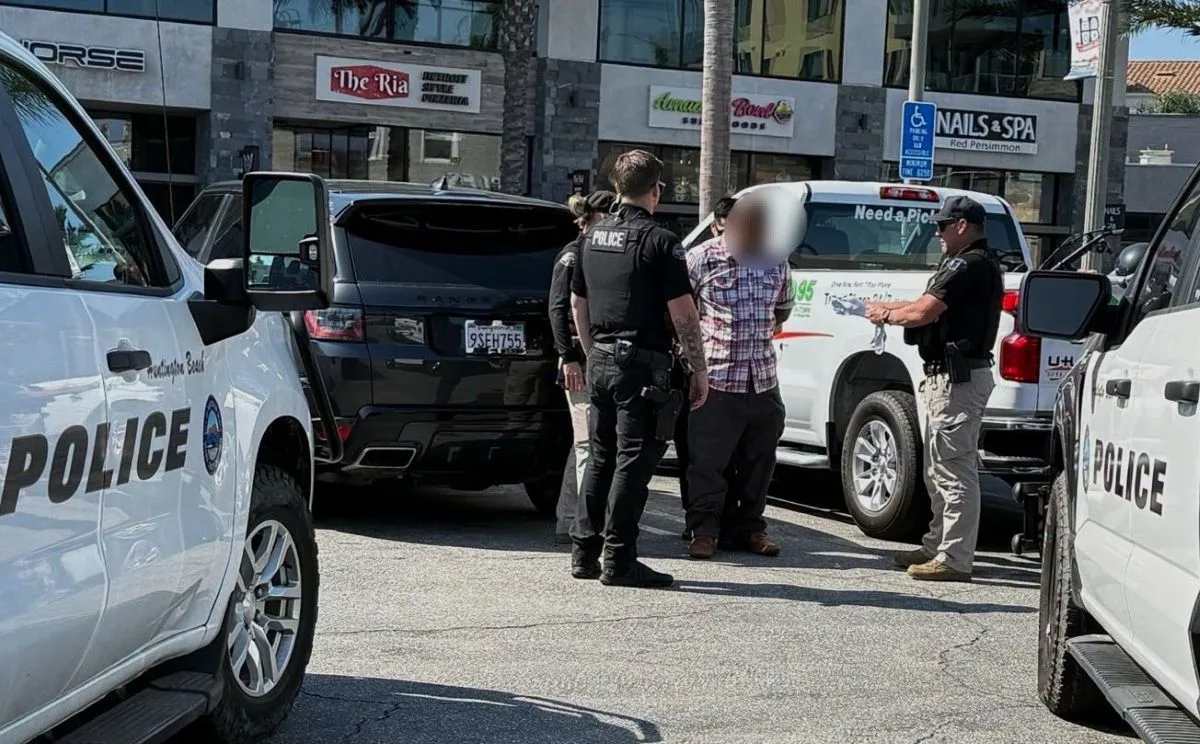
A standard pickup order turned into a swift law enforcement sting operations after an observant Huntington Beach business collaborated with local police to stop a high-value theft.

Over the weekend, individual buyers placed a massive online order for multiple electric bicycles totaling thousands of dollars, arranging a pickup for the following Monday.
Due to the high-dollar nature of the transaction, store management conducted a rigorous manual review of the credit card used.
Their suspicions were confirmed when the transaction data flagged as entirely fraudulent, prompting an immediate call to the Huntington Beach Police Department (HBPD).

When the suspects arrived in their getaway vehicle on Monday afternoon, ready to load up their haul, plainclothes and patrol officers were already waiting nearby.
Instead of driving away with a truck filled with premium e-bikes, the suspects left the scene in handcuffs.
A subsequent search of their truck uncovered physical burglary tools and electronic evidence linking them to a wider identity theft operation.
This successful sting highlights the immense power of active communication and rapid operational integration between local business owners and law enforcement.
Expected Criminal Charges for the Suspects
Because the suspects engaged in identity theft, possession of specialized tools, and attempted to leave with thousands of dollars in merchandise, prosecutors are likely to pursue a stack of severe California Penal Code violations:
- Grand Theft via Fraudulent Use of an Access Card (PC 484g): Because the total valuation of the electric bicycles significantly exceeded the $950 threshold, this offense is automatically treated as grand theft. As a “wobbler” in California, prosecutors can charge this as a felony punishable by up to three years in a county jail.
- Identity Theft (PC 530.5): The discovery of personal identifying data belonging to other individuals inside the vehicle supports charges for willful, unauthorized use of personal information for an unlawful purpose. This carries a felony penalty of up to three years in state prison and a maximum fine of $10,000.
- Possession of Burglary Tools (PC 466): The dedicated tools found inside the getaway truck violate PC 466. This misdemeanor charge adds up to six months of jail time and heavy court fines to the suspects’ sentencing profiles.
- Conspiracy to Commit a Crime (PC 182): Because multiple individuals actively coordinated the fraudulent purchase and arrived together to execute the pickup, prosecutors frequently apply conspiracy charges. This allows the state to penalize all parties involved with the same intensity as the primary underlying felony.
E-Bike and Retail Theft Trends
The targeting of electric bicycles in this sting aligns directly with nationwide crime statistics. According to a comprehensive data study by the Institute of Transportation Studies at UC Davis and Bike Index, bicycle theft has ballooned into a $1.4 billion problem annually across the United States.
E-bikes are disproportionately targeted by organized retail crime rings because their high retail values, removable lithium-ion batteries, and highly liquid secondary market make them incredibly lucrative for rapid resale.
FBI Crime Data analyses reveal that California accounts for over 14% of all reported bicycle thefts in the country, making it the top state for total bike theft volume. While traditional physical smash-and-grabs are still a major threat, organized theft rings are increasingly turning to digital fraud, identity theft, and card-not-present online purchases to acquire fleets of high-end consumer goods without ever flashing a weapon.
Fraud and Burglary Prevention Tips for High-Value Retailers
To protect inventory from sophisticated card-not-present fraud and coordinated physical burglaries, specialty retailers should implement a multi-layered security strategy:
- Enforce Strict Pick-Up Verifications: Require all online purchase pickups to show the physical credit card used for the online checkout along with a matching government-issued photo ID. Photograph or document the vehicle license plate of anyone picking up high-value orders.
- Implement Fraud Scoring Software: Use modern e-commerce payment processors equipped with automated machine-learning fraud alerts that flag mismatched billing and shipping zip codes, suspicious device fingerprints, or rapid card-testing patterns.
- Establish Delay Windows for Large Orders: Build a mandatory 24- to 48-hour processing hold into your store policy for any first-time orders exceeding a specific financial threshold. This gives banks time to flag fraudulent charges before the items leave your physical property.
- Secure High-Value Displays Overnight: Ensure that premium inventory is moved away from front glass windows during closing hours to minimize smash-and-grab opportunities. Utilize heavy-duty, anchored floor locks and smart digital tags to render stolen showroom floor models trackable in real-time.
- Build Direct Lines with Local Law Enforcement: Maintain active relationships with regional retail associations and your local police department’s commercial crimes division to stay informed on active theft groups operating within your zip code.