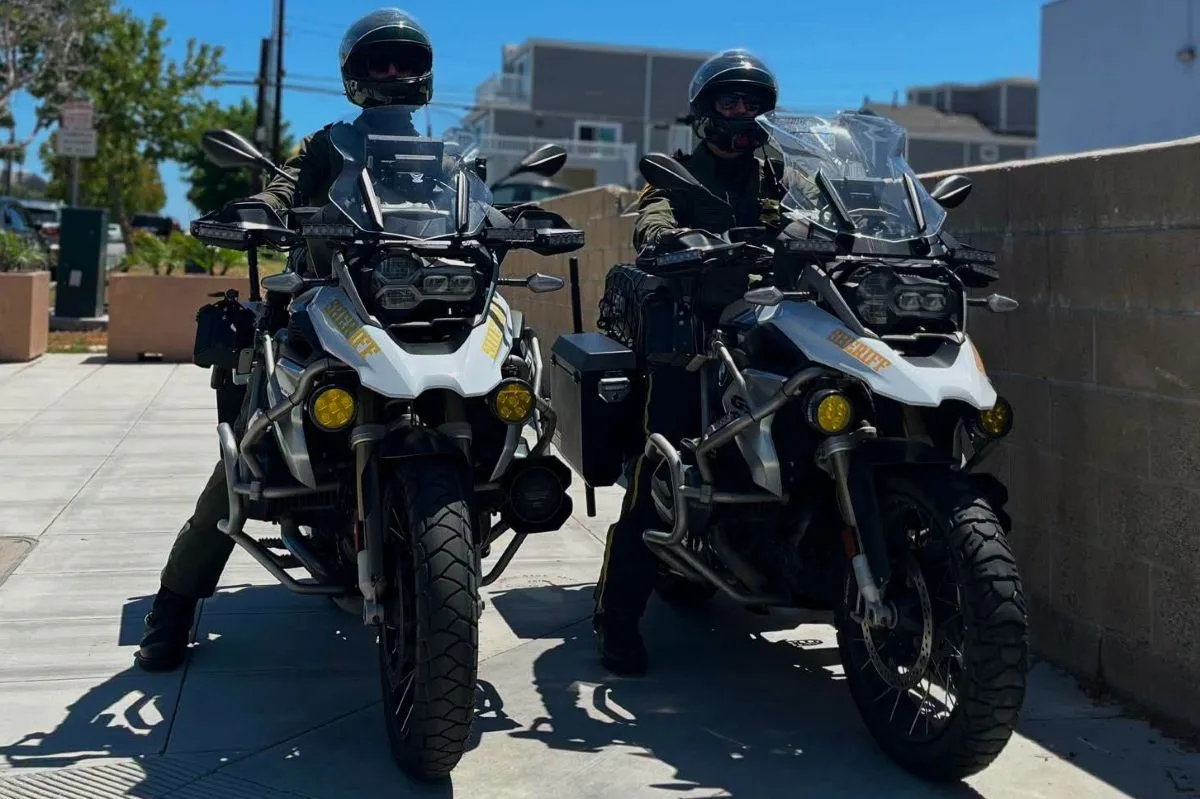
The Dana Point Police Services motor unit recently completed a targeted 10-hour traffic enforcement operation, issuing 67 citations to drivers violating traffic laws. The operation focused specifically on primary collision factors, including running red lights and ignoring stop signs. Funded by specialized safety grants, deputies monitored high-traffic corridors and intersections flagged by local community complaints to reduce dangerous driving behaviors.

Criminal Charges, Fees, and Penalties for California Traffic Violations
Most moving violations in California are classified as infractions, though severe behavior can elevate a stop to a misdemeanor charge like reckless driving. While a standard ticket base fine may appear low, state and county penalty assessments drastically multiply the final cost.
- Running a Red Light: A violation of California Vehicle Code (CVC) 21453 carries a base fine of $35 to $100, but total out-of-pocket penalties generally reach $238 to $490.
- Failing to Stop at a Stop Sign: Under CVC 22450, failing to make a complete stop results in a total fine of approximately $238 after assessments.
- Misdemeanor Reckless Driving: Violating CVC 23103 involves a willful disregard for safety, carrying fines up to $1,000, potential vehicle impoundment, and up to 90 days in county jail.
The Hidden Financial Toll: Auto Insurance Impacts
The true cost of a traffic citation extends far beyond the court-ordered fine. Moving violations add negligent operator points to your California Department of Motor Vehicles (DMV) driving record. A single point for a red light or stop sign violation typically triggers an immediate 20% to 30% increase in auto insurance premiums.
These surcharges accumulate over time, remaining on your insurance rating profile for 36 months. For drivers who accumulate multiple points, insurance companies may decline policy renewals entirely or strip away California “Good Driver” discounts, costing thousands of dollars over three years.
Top Traffic Violations in California
Local operations like the one executed by Dana Point Police Services specifically target the state’s most frequent moving offenses. According to state traffic statistics, the top violations include:
- Speeding (CVC 22350): Driving faster than is safe for current road conditions.
- Red Light and Stop Sign Infractions (CVC 21453 / 22450): Rolling through stops or failing to yield to cross traffic.
- Distracted Driving (CVC 23123.5): Using a handheld wireless device or texting while operating a vehicle.
- Unsafe Lane Changes (CVC 22107): Merging or changing lanes without signaling or clear clearance.
- Failing to Yield to Pedestrians (CVC 21950): Disregarding pedestrian right-of-way at marked or unmarked crosswalks.
How Drivers Can Stay Safe and Avoid Costly Fines
Navigating California roadways safely requires defensive habits and strict compliance with the vehicle code. Drivers should practice these essential behaviors to preserve their clean records and protect the community:
- Commit to a Full Stop: Always bring your vehicle to a complete, formal stop behind the limit line at stop signs and red lights before evaluating cross-traffic or making a legal turn.
- Scan Intersections Broadly: Look left, right, and left again before entering an intersection, even if you hold the right-of-way, to account for oncoming erratic drivers.
- Put Away Distractions: Keep mobile devices stowed or connected entirely to hands-free setups to ensure your eyes remain fixed on changing signals and road hazards.
- Adjust Speed for Traffic Flows: Lower your travel speed during peak hours, heavy weather, or when navigating dense pedestrian zones along coastal routes.
Thank you DP police. Running stop sign on selva n discovery is rampet please set up a watch station.
Selva n discovery needs police attention. Stop signs are NEVER used