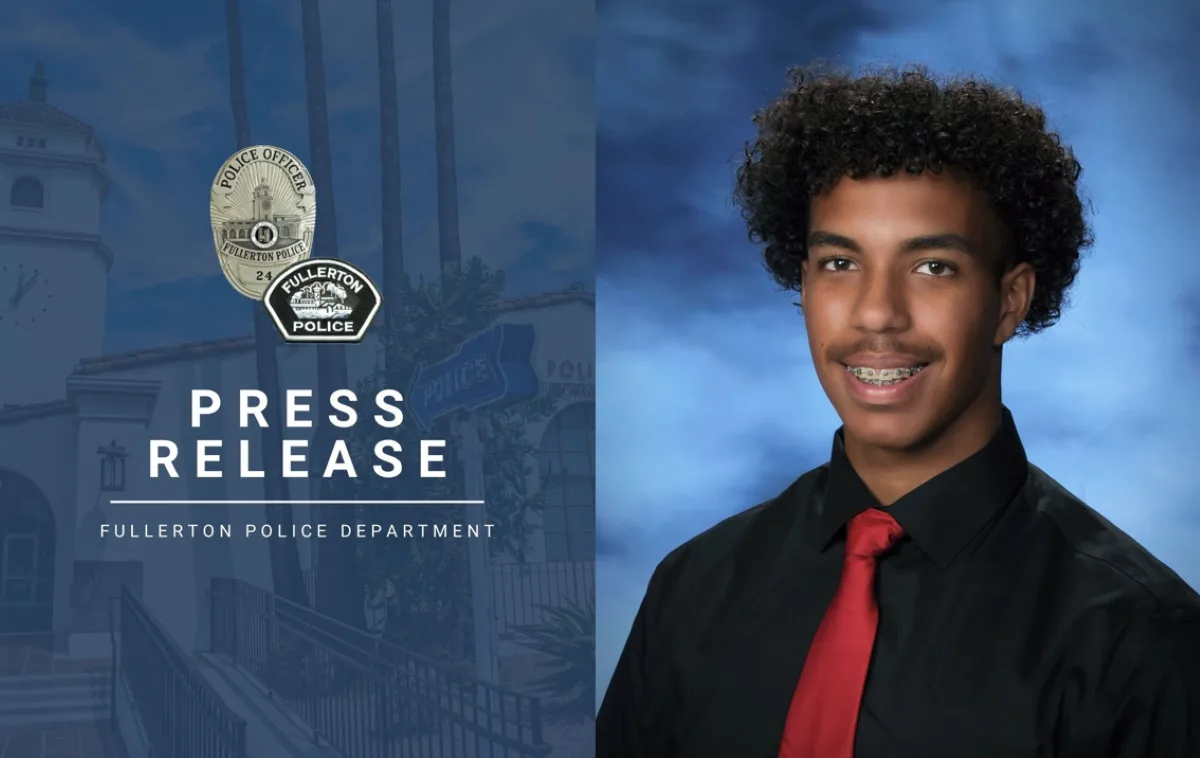
An 18‑year‑old Cal State Fullerton student, Anthony Joseph Blas, died early September 13, 2026, after being dropped off unresponsive at St. Jude Medical Center.

Fullerton Police confirmed he had attended a function hosted by an unaffiliated fraternity near Associated Road and Milton Avenue. Despite lifesaving efforts, he was pronounced dead shortly after arrival.
Detectives say alcohol consumption appears to be a contributing factor, though the Orange County Sheriff‑Coroner will determine the official cause and manner of death. Police say no hazing or foul play is suspected, and the investigation remains active.
What Is Known About the Death of Anthony Joseph Blas
Fullerton Police reported that Blas was dropped off at the emergency department around 12:07 a.m. by individuals who have not yet been publicly identified. Detectives traced the incident to a fraternity gathering not recognized by Cal State Fullerton. Preliminary findings point to alcohol consumption as a likely factor.
Media outlets covering the case have noted:
- Blas was a first‑year student.
- The fraternity involved is not sanctioned by CSUF, meaning it operates without university oversight.
- Witnesses reported heavy drinking at the event.
- Police have not identified any signs of assault, hazing, or forced consumption.
How Alcohol Can Become Fatal
Fatal alcohol poisoning typically occurs when blood alcohol concentration (BAC) reaches levels that suppress breathing, heart rate, and gag reflex.
Key thresholds:
- BAC 0.25–0.30: Vomiting, loss of consciousness, risk of aspiration.
- BAC 0.35–0.40: Coma, respiratory depression.
- BAC 0.45+: Frequently fatal.
For an 18‑year‑old male weighing around 150–170 lbs:
- Consuming 10–15 standard drinks in a short period can push BAC into the lethal range.
- Binge drinking (4–5 drinks in 2 hours) dramatically increases risk.
- Combining alcohol with fatigue, dehydration, or other substances increases toxicity.
Medical literature shows that rapid consumption, especially in drinking games or competitive environments, is the most common pathway to fatal overdose among college students.
Similar Fraternity‑Related Deaths in Southern California
Southern California has seen multiple fraternity‑linked alcohol deaths over the past decade:
- UC Irvine (2024): A 19‑year‑old died after a pledge event involving extreme binge drinking. Several fraternity members were charged with furnishing alcohol to a minor.
- San Diego State University (2019): Freshman Dylan Hernandez died after a fraternity party; the chapter was suspended, and civil lawsuits followed.
- Cal Poly San Luis Obispo (2018): Though outside SoCal, the death of freshman Carson Starkey from alcohol poisoning led to statewide scrutiny of fraternity culture.
These cases share common factors:
- Unsupervised events
- High‑volume alcohol consumption
- Lack of medical intervention until too late
- Organizations operating outside university oversight
Could Anyone Face Criminal Charges?
Even though hazing and foul play are not suspected, several criminal statutes may apply depending on final coroner findings and witness statements.
Potential Charges
- Furnishing Alcohol to a Minor (Business & Professions Code §25658) Penalty: Misdemeanor; up to 6 months jail and fines up to $1,000.
- Involuntary Manslaughter (Penal Code §192(b)) Applies if someone’s negligence contributed to the death (e.g., failing to call 911 promptly). Penalty: Up to 4 years in state prison.
- Providing a Venue for Underage Drinking Property owners or event hosts may face civil liability.
- Failure to Render Aid Not a standalone crime in California, but can support negligence or manslaughter theories.
Likely Scenario
If investigators determine that fraternity members:
- Supplied alcohol to Blas,
- Encouraged dangerous consumption,
- Delayed medical care,
then misdemeanor alcohol‑furnishing charges are likely, and manslaughter charges remain possible depending on coroner findings.
Should Fraternities Continue at Cal State Fullerton?
CSUF has a long history of suspending or disciplining fraternities for alcohol‑related violations. Unaffiliated fraternities pose the greatest risk because:
- They operate without university oversight.
- They often lack risk‑management protocols.
- They are not subject to campus discipline.
Arguments for discontinuation:
- Repeated alcohol‑related injuries and deaths statewide.
- Lack of accountability for unaffiliated groups.
- High risk to first‑year students unfamiliar with binge‑drinking culture.
Arguments for reform rather than elimination:
- University‑recognized fraternities can enforce safety rules.
- Banning official fraternities may push more students toward underground groups.
From a public‑safety perspective, CSUF may need to expand enforcement against unaffiliated fraternities, increase education, and require registration of all student social organizations.
Tips for Parents of College‑Age Students
- Discuss alcohol realistically Explain lethal BAC levels and signs of overdose.
- Set expectations Make clear that calling 911 is always the correct choice.
- Teach medical red flags Slow breathing, cold skin, vomiting while unconscious, inability to wake.
- Encourage buddy systems Students should never leave intoxicated friends alone.
- Ask about social groups Know whether your child is attending events hosted by unaffiliated fraternities.
Tips for Students to Prevent Alcohol‑Related Deaths
- Know your limits Avoid drinking games and rapid consumption.
- Never mix substances Alcohol plus marijuana or pills increases risk.
- Call 911 immediately California’s Good Samaritan laws protect those seeking medical help.
- Stay with intoxicated friends Do not assume someone will “sleep it off.”
- Avoid unaffiliated fraternities These groups often lack trained sober monitors or safety protocols.
Community Impact
The death of Anthony Joseph Blas, an 18‑year‑old Cal State Fullerton student, highlights ongoing dangers of alcohol‑heavy fraternity culture in Southern California. With alcohol suspected as a contributing factor, investigators are examining whether criminal charges may follow.
Similar cases across SoCal show a pattern of binge drinking, lack of oversight, and delayed medical intervention. As the coroner determines the official cause of death, parents and students must take proactive steps to prevent future tragedies, and CSUF must confront the risks posed by unaffiliated fraternities.
Wow poor kid. Those are not friends who just dropped hi off, Cowrards!!! As for your parents what the hell did they teach there kids. Sad!!! Fraternities are kids who want to be cool with the cool kids who dont’ accept them. dumb!!!