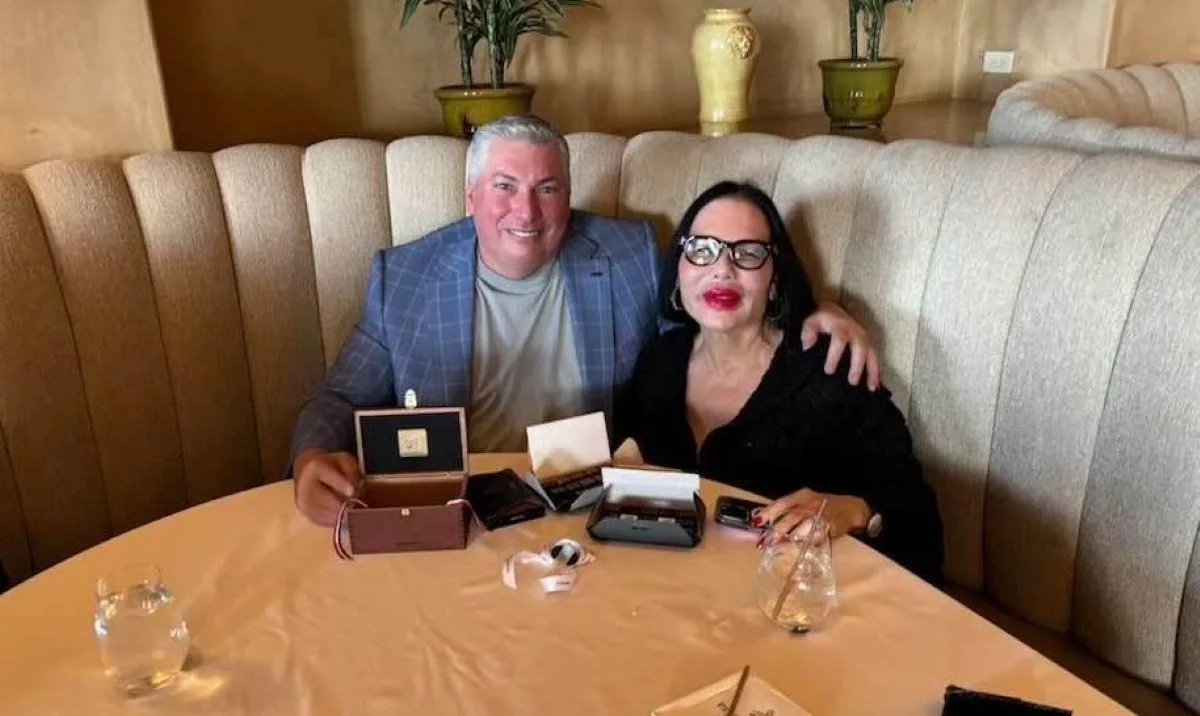
NEWPORT BEACH, Calif. — May 2026 — Judith Helaine Ware, née Gerber, passed away
peacefully on May 4, 2026, in Newport Beach, California, surrounded by her family. She was 77.
Born on September 23, 1948, in Los Angeles, Judith was the youngest of three children. She
graduated from the University of California, Los Angeles in 1968 and soon after married her
husband of 58 years, Ben Marlon Ware.

Shortly after her graduation, and with guidance from her father, Judith and Ben co-founded Ware Disposal Inc. , in Los Angeles. Recognizing an opportunity for growth, the couple relocated to
Irvine in 1971, where they began building both their business and their family. While raising
their son, Jay, and daughter, Cristy, Judith also served as President of the company.
Under Judith’s leadership, Ware Disposal Inc. grew from a two-truck operation into a major
Southern California solid waste and recycling company, ultimately operating more than 150
vehicles and generating over $100 million in annual revenue. At a time when few women held
executive roles in the industry, Judith distinguished herself as a pioneering leader in integrated
waste management.
Ware Disposal Inc. expanded across Los Angeles, Orange, and San Diego counties and
established key facilities, including one in Santa Ana’s Logan neighborhood. In 2000, Judith
played a pivotal role in securing approval for Madison Materials, a large transfer station and
material recovery facility in Santa Ana that opened in 2002 and has since diverted millions of
tons of material from local landfills. She also helped the company secure multiple municipal and
county franchises, significantly expanding its service footprint.
Beyond her business accomplishments, Judith was active in public service and industry
leadership. She served on the City of Newport Beach’s Environmental Quality Committee and
frequently traveled to Sacramento to advocate on issues affecting the solid waste industry
following the passage of AB 939. In recognition of her contributions, she was named Legislative
Woman of the Year in 1996 by Assemblyman Jim Morrissey.
A longtime Orange County resident, Judith lived in Newport Beach and later Newport Coast for
more than three decades. She was deeply devoted to her family and took great pride in her role as
its matriarch. Among her many passions, she raised and showed champion Whippets as well as
championship Hunter Jumper Warmbloods throughout the western United States, creating lasting
memories with her family through those shared experiences.
Judith is survived by her husband, Ben; her son, Jay; and three grandchildren. She was
predeceased by her daughter, Cristy, and her brother, Harvey.
Shea posted a tribute confirming the passing of Ware noting that Ware was not only a titan of the waste management industry but also a “dear friend” and mentor. In her tribute, Shea credited Ware with being a pioneering woman in a male-dominated field and a vital supporter of community and political causes throughout Orange County.
Ware’s leadership at Ware Disposal since the 1960s transformed the company into a leader in Santa Ana and across Southern California, specifically through her early adoption of clean-fuel vehicles and organics recycling.
As of early 2026, Ware Disposal is a significant regional player in the waste management industry, with annual revenues reaching approximately $60 million to $74 million.
The Legacy of Judith “Judy” Ware
- Pioneering Entrepreneurship: Judy co-founded Ware Disposal in 1968, growing it from a small family operation into a leading Southern California waste management firm with over 100 clean-fuel vehicles.
- Commitment to Sustainability: Under her leadership, the company transitioned into a “zero waste” organization, focusing heavily on recycling, food waste processing, and construction debris recovery.
- Impact on Santa Ana and Orange County: As a prominent woman-owned business leader, she has been a major employer and a key sponsor for local initiatives, including events for the New Santa Ana community and the Orange County District Attorney’s office.
- Surviving Family: She is most publicly survived by her son, Jay Ware, who serves as the company’s General Manager and her husband Ben.

Ware Disposal’s Municipal Contracts
The company provides exclusive or shared waste hauling services for the following cities and entities:
- La Habra Heights: Awarded a 10-year exclusive franchise agreement for residential solid waste, recycling, and organic services that began on October 1, 2024.
- Monterey Park: Serves as a primary waste hauling partner for the city.
- Los Angeles (recycLA): Operates as a certified service provider under the city’s recycLA program, covering commercial and multi-family properties.
- San Diego City and County: Provides services for both city and county-level projects.
- San Diego Housing Commission (SDHC): Recently awarded a contract for trash, recycling, and organics collection services effective through May 31, 2026, with additional renewal options.
- Costa Mesa: Operates as one of the approved haulers for the city’s commercial and contractor self-haul systems.
School District Contracts
Ware Disposal services numerous educational institutions, focusing on waste prevention and “green” education programs. Some of the districts they currently service include:
- Orange County: Irvine Unified, Newport-Mesa Unified, Los Alamitos Unified, Buena Park Unified, and Centralia School Districts.
- Los Angeles County: Los Angeles Unified, Inglewood, El Segundo Unified, and El Monte Union High School Districts.
- Other Districts: Corona-Norco Unified, Chino Valley Unified, and Claremont Unified School Districts.
Ware Disposal operates primarily from its main headquarters and resource facility in Santa Ana, though it maintains a network of offices to manage its contracts throughout Southern California.
Primary Ware Disposal Locations
- Corporate Headquarters & Madison Resource Recovery Facility: Located at 1035 East 4th Street, Santa Ana, CA. This is the central hub for their operations, customer service, and major recycling processing.
- Fullerton Facility: The company has an operational site at 1451 Manhattan Avenue, Fullerton, CA.
Regional Customer Care Centers
To support their specific municipal and county contracts, they maintain specialized “Customer Care Centers”:
- Monterey Park Office: Located at 1111 Corporate Center Drive #206, Monterey Park, CA. This office specifically serves residents and businesses in Monterey Park and La Habra Heights.
- Los Angeles Office: Located at 4259 South Central Avenue, Los Angeles, CA. This site serves as the dedicated support center for recycLA and Los Angeles County customers.
The company serves a massive area covering five counties—Orange, Los Angeles, Riverside, San Bernardino, and San Diego—using these hubs to coordinate a fleet of over 100 vehicles