The Santa Ana Police Department’s AB109 Task Force, in a coordinated effort with Orange County Probation, successfully apprehended a fleeing felon during a routine probation compliance check at the La Casa Motel in Garden Grove.

The operation quickly turned chaotic when the target of the check attempted to evade law enforcement by jumping over a rear wall at the motel. Thanks to swift intervention and a perimeter setup by the Garden Grove Police Department, officers discovered the suspect hiding high up in a large tree.
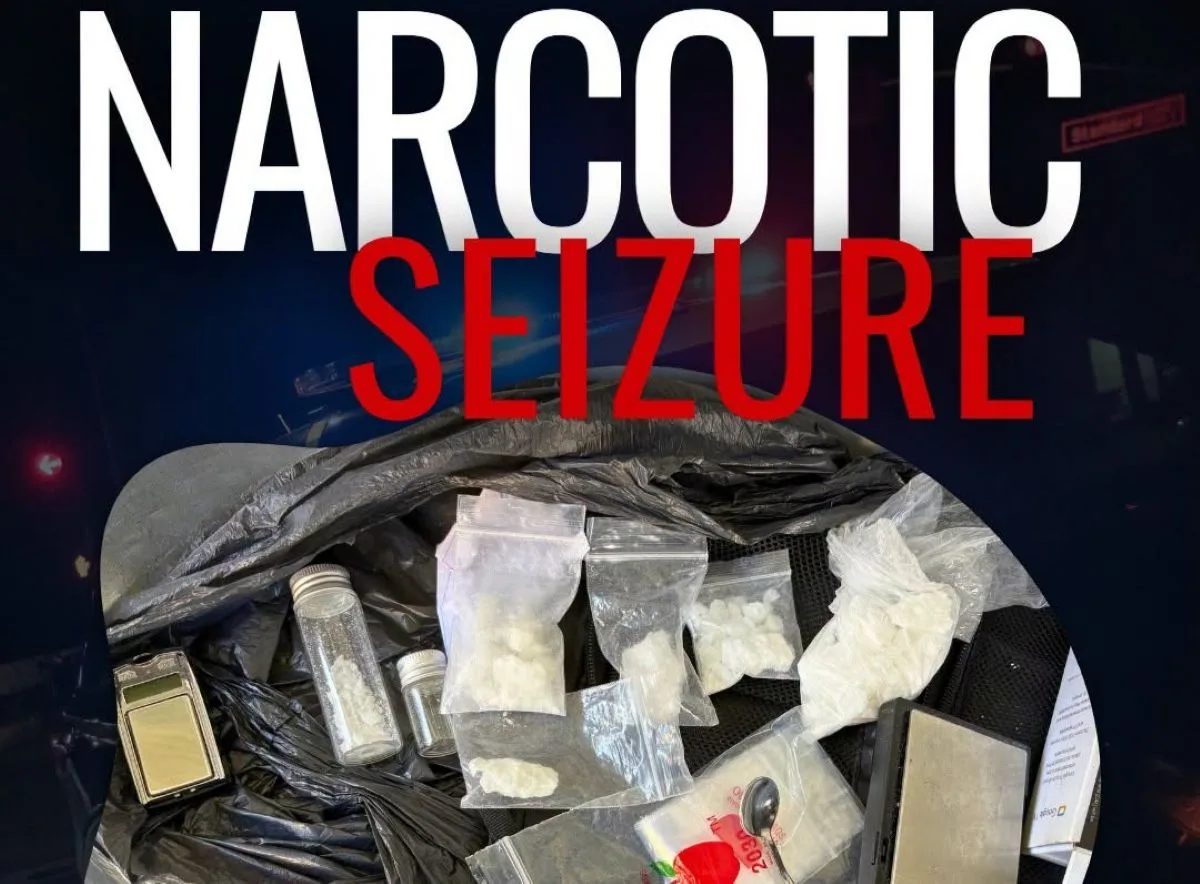
The man, identified as 59-year-old Garden Grove resident Duoc Nguyen, was taken into custody without further incident. Inside Nguyen’s motel room, police uncovered a substantial stash of illicit narcotics and an illegal electronic gambling machine. Both Nguyen and a second probationer found at the scene were arrested and booked into the Santa Ana Jail.
Expected Criminal Charges
Arrested individuals face severe legal consequences under California law. Prosecutors will likely file multiple felony and misdemeanor charges against the suspects, including:
- Possession of a Controlled Substance for Sale: Under California Health and Safety Code 11378 (for the methamphetamine) and Code 11351 (for the cocaine). The presence of two digital scales and multiple individualized distribution baggies photographed at the scene strongly support these intent-to-sell charges.
- Resisting or Obstructing a Peace Officer: Under California Penal Code 148(a)(1), triggered by the suspect fleeing over the wall and hiding in a tree.
- Possession of an Illegal Gambling Device: Under California Penal Code 330a, which covers the unauthorized slot or gambling machine seized in the room.
- Probation Violations: Under California Penal Code 1203.2, which allows the court to revoke probation entirely and sentence the individuals to their original maximum jail terms.
Probation Recidivism Trends in Orange County
This arrest highlights the steep hurdle local law enforcement faces regarding repeat offenders on post-release community supervision. State and county metrics indicate that recidivism among individuals monitored under AB109—California’s Public Safety Realignment Act—remains an ongoing challenge. Historically, data from the California Department of Corrections and Rehabilitation (CDCR) shows that about 30% to 50% of individuals placed on community supervision or released on probation are rearrested or reconvicted within three years.
To counter this, the Orange County Probation Department heavily funds evidence-based rehabilitation and intervention initiatives through its Day Reporting Centers. However, technical violations or fresh criminal acts—such as dealing narcotics—frequently disrupt successful reintegration.
The Rise of Multi-Contraband Operations
This incident is far from isolated; regional task forces frequently encounter illicit operations blending narcotics distribution with underground gambling houses, colloquially known as “slap houses”. Local enforcement highlights that illegal casinos inherently attract violent crime, human trafficking, and severe drug abuse into surrounding neighborhoods.
- The Irvine Traffic Stop: An Irvine Police Department Stop yielded illegal weapons and a large stash of narcotics from a probationer driving through the area.
- Jerome Park Drug House: A concurrent Santa Ana Probation Sweep just north of Jerome Park resulted in multiple arrests after police seized 110 grams of methamphetamine and fentanyl from known probationers operating out of a carport.
- Garden Grove Storefront Raid: The Garden Grove Police Department SIU previously raided an illicit gambling establishment on Garden Grove Boulevard, arresting 24 individuals and confiscating 12 electronic slot machines linked to localized drug trade.
Public Health Toll and Overdose Fatalities
The specific drugs recovered from Nguyen’s room—cocaine and methamphetamine—continue to drive a devastating public health crisis in Southern California. The Orange County Health Care Agency reports that substance abuse and accidental drug poisonings result in nearly 700 deaths and over 5,500 hospitalizations among county residents annually.
Methamphetamine remains one of the primary drivers of psychostimulant-related deaths across the region, causing severe cardiovascular damage, renal failure, and irreversible neurological decay. The health risks multiply exponentially when these stimulants are illicitly laced with synthetic opioids like fentanyl, a lethal trend that has dramatically elevated the annual death toll across California. Authorities urge residents witnessing suspicious neighborhood activities or dealing with substance issues to utilize local resources, such as the county’s OC Links Behavioral Health Line.