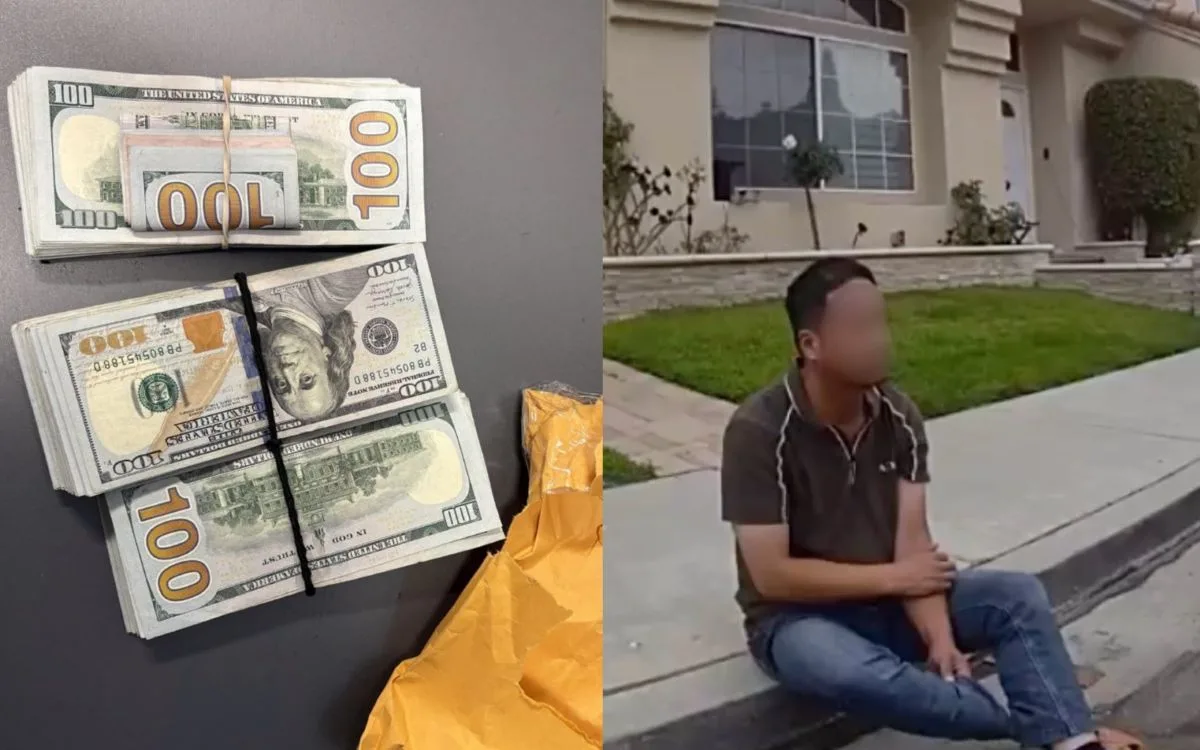
The Irvine Police Department arrested a Rosemead resident involved in an elaborate “bank impostor” scam that used a vacant rental home as a physical drop point for stolen cash. A vigilant rental property owner in Westpark noticed a man acting suspiciously on their vacant property and called the authorities.

Shortly after, a UPS driver delivered a package to the doorstep, which the suspect quickly removed. Officers intercepted the suspect, identified as 41-year-old Dong Wang, before he could flee the area.
Investigators uncovered that the package contained $9,000 sent by an out-of-state elderly victim. The victim had received a fraudulent call from someone pretending to be his bank, claiming that $9,000 had been “accidentally” deposited into his account and needed to be mailed back. Wang was found carrying over $30,000 in cash at the time of his arrest and was booked at the Orange County Jail.
Criminal Charges Facing the Suspect
Based on the evidence detailed by the Irvine Police Department, the suspect is likely to face severe felony charges under California law:
- Financial Elder Abuse (Penal Code 368 PC): Because the target of this scam was an elderly individual, the suspect faces charges for knowingly taking advantage of a senior citizen for financial gain.
- Grand Theft (Penal Code 487 PC): Stealing property or cash valued over $950 constitutes grand theft in California, which applies to both the intercepted $9,000 package and the broader pool of seized cash.
- Burglary / Trespassing: Using a vacant residential property without authorization to intercept mail can trigger residential trespassing or burglary components.
- Conspiracy (Penal Code 182 PC): Acting as a localized mule or “drop point” handler typically implies working in coordination with an illicit call center or remote network of fraudsters.
Why Criminals Target the Elderly
Elderly financial exploitation is an organized, highly targeted criminal enterprise. Fraudsters frequently target older adults for several distinct reasons:
- Financial Stability: Older adults are more likely to have accumulated significant life savings, retirement accounts, or home equity.
- Inherent Trust and Politeness: Many seniors belong to generations raised with higher levels of social trust and compliance with authority figures, such as bank representatives or law enforcement.
- Isolation: Criminals exploit seniors who live alone, as they lack an immediate second opinion or a trusted family member to intercept a suspicious call.
- Technological Gaps: Fast-evolving digital banking systems can be confusing, making it easier for bad actors to manufacture false urgency regarding technical glitches or accidental deposits.
- Underreporting Out of Shame: Victims often feel deeply embarrassed or fear losing their financial independence, leading them to hide the crime rather than report it to the FBI Internet Crime Complaint Center (IC3).
The Staggering Financial Toll of Elder Fraud
Elder fraud has expanded into a multi-billion dollar national crisis. According to data tracked by the AARP BankSafe Initiative, the comprehensive annual cost of elder financial exploitation across the United States is estimated to be a staggering $28.3 billion.
- National FBI Data: The FBI’s IC3 reports that documented annual losses explicitly reported by Americans aged 60 and older surpass $4.8 billion, with the average victim losing tens of thousands of dollars to sophisticated schemes.
- California Breakdown: California consistently ranks as the most heavily targeted state in the nation for senior scams. According to specialized fraud prevention data from organizations like HCSK, elder fraud strips more than $1.4 billion annually from vulnerable residents within the state alone.
Essential Tips to Prevent Elder Financial Exploitation
Protecting yourself and your family requires a proactive defense against unsolicited high-pressure communications:
- Establish a Family Code Word: Create a secret code word with your aging parents or grandparents. If anyone calls claiming a family emergency or a banking crisis, they must provide the code word.
- Verify Independently: If a bank, utility company, or government agency claims there is an issue, hang up immediately. Look up the official customer service number from your physical statement or the back of your debit card and call them back directly.
- Never Mail Cash or Buy Gift Cards: Legitimate financial institutions will never instruct you to send cash via mail, courier, or UPS, nor will they ask you to resolve a balance using prepaid cards or cryptocurrency.
- Monitor Vulnerable Accounts: Set up bank account alerts or coordinate trusted-user view access to monitor for unusual, large-scale withdrawals or unexpected shipping expenses.
- Report Fraud Speedily: If you suspect you or a loved one has been targeted, report the incident immediately to local law enforcement and file a complaint online at the FBI IC3 Platform. Rapid reporting maximizes the window of opportunity for federal asset recovery teams to freeze stolen funds.