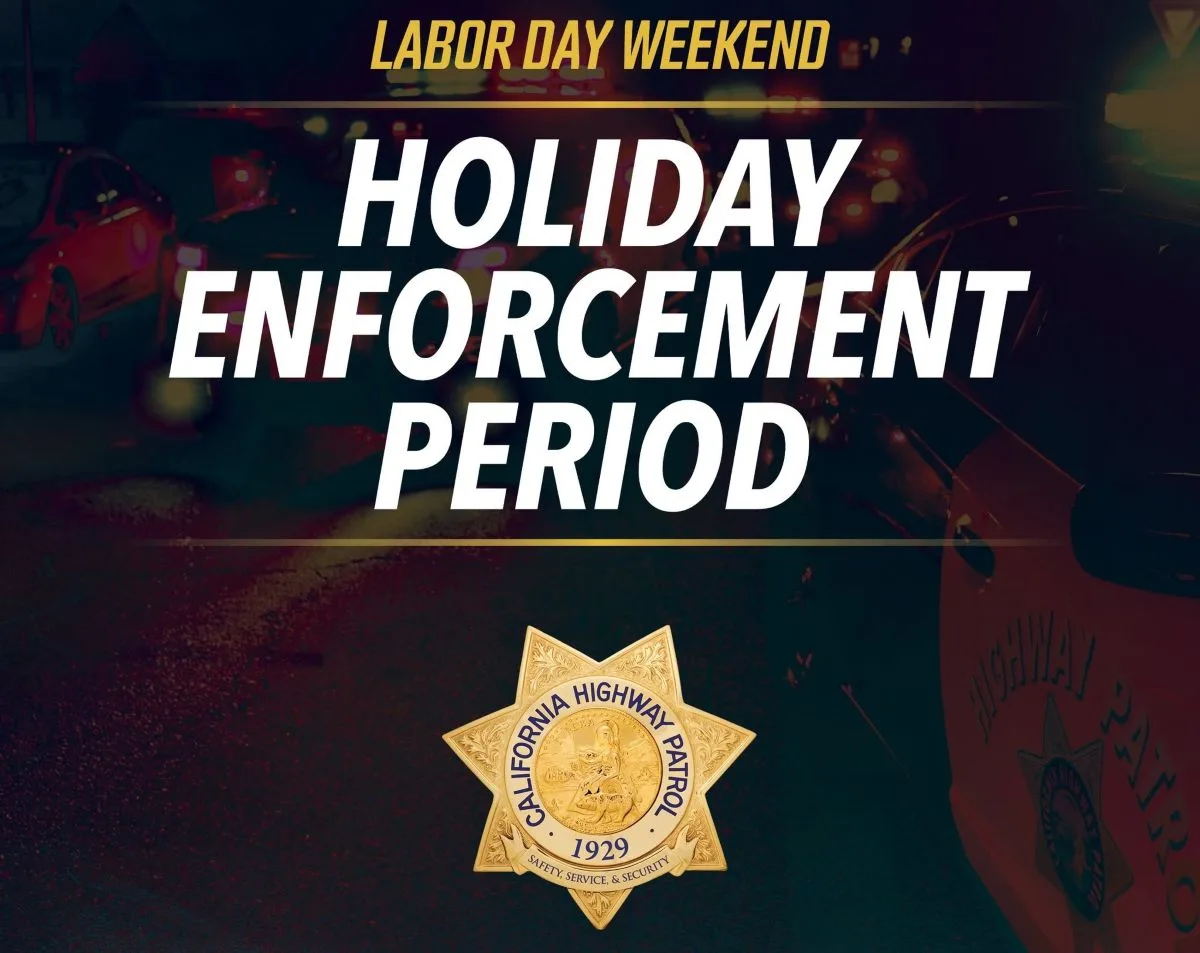
The California Highway Patrol is activating its Labor Day Holiday Enforcement Period (HEP) from 6:00 p.m. Friday, Sept. 4 through 11:59 p.m. Monday, Sept. 7, with a statewide focus on removing impaired drivers and reducing fatal crashes.

The agency’s announcement underscores a familiar reality in Southern California: Labor Day weekend is one of the most dangerous holiday periods of the year for DUI‑related collisions, especially across Orange County’s busiest corridors.
Southern California Labor Day DUI Crash Data
Across Los Angeles, Orange, Riverside, and San Bernardino counties, Labor Day weekend consistently produces elevated DUI crash numbers. CHP and local police agencies typically record 25–40 DUI‑related injury crashes and multiple fatal collisions during the holiday period.
In Orange County alone, Labor Day weekends often see 8–12 DUI injury crashes and 1–2 fatal DUI collisions, with hotspots including the 405, 5, 55, 57, 22, Pacific Coast Highway, Beach Boulevard, and the Irvine Spectrum / South Coast Plaza corridors. Alcohol remains the primary factor, but cannabis‑related DUIs have increased steadily since legalization.
Where CHP Will Be Most Active in Orange County
CHP officers will saturate high‑traffic and high‑risk zones, including:
- I‑405 corridor through Costa Mesa, Fountain Valley, Huntington Beach, and Westminster
- I‑5 corridor from San Clemente through Santa Ana
- SR‑55 and SR‑57 near Orange, Tustin, and Anaheim
- SR‑22 through Garden Grove and Westminster
- Coastal routes including Pacific Coast Highway, where nightlife and tourism spike impairment risks
These areas historically produce the highest DUI arrest totals during holiday enforcement periods.
What Charges Drivers Can Face
California imposes severe penalties for impaired driving, and Labor Day enforcement typically results in hundreds of arrests statewide. Drivers may face:
- DUI (VC 23152) — Alcohol or drug impairment; fines from $390 to over $2,000, probation, license suspension, mandatory classes
- DUI causing injury (VC 23153) — Felony‑eligible; jail or prison time, restitution, multi‑year license suspension
- Chemical test refusal — Automatic license suspension under implied‑consent laws
- Open container violations
- Child endangerment if minors are in the vehicle
- Reckless driving or enhancements for excessive speed
Even first‑time offenders often face thousands of dollars in combined fines, fees, towing, and court costs.
Impact on Auto Insurance and Employment
A DUI conviction can increase auto insurance premiums by 100–200%, require SR‑22 filing, and may lead to cancellation of coverage. High‑risk insurance can last 3–10 years, costing drivers thousands annually. Employment consequences are equally serious:
- Workers in transportation, healthcare, education, government, security, and commercial driving may face suspension or termination.
- Professional licenses (nursing, law, real estate, contracting) may require mandatory reporting.
- Background checks will show DUI convictions for years, affecting promotions and hiring decisions.
What Happened to Tony Romo
Former NFL quarterback Tony Romo was arrested for public intoxication early in his career, a reminder that even high‑profile individuals face legal and reputational consequences when alcohol becomes part of a police encounter.
While not a DUI case, it illustrates how quickly an alcohol‑related incident can escalate into national headlines, employment scrutiny, and long‑term public perception issues.
How to Talk to Officers if You Get Pulled Over
If you’re stopped during the HEP, staying calm and respectful is essential.
- Keep your hands visible and wait for instructions.
- Provide license, registration, and insurance when asked.
- You do not need to volunteer information about where you were or what you consumed.
- Avoid arguing, debating, or making statements that could be used against you.
- If asked to step out of the vehicle, comply calmly.
- Field sobriety tests are voluntary, but chemical tests are not under implied‑consent laws.
- If arrested, do not resist; request to speak with an attorney as soon as legally permitted.
How Much Alcohol or Marijuana Can Lead to a DUI California law does not require a specific amount of alcohol or cannabis to charge a DUI. The standard is impairment.
- Alcohol: Many drivers begin showing impairment at 0.03–0.05% BAC, and a single strong drink can push some individuals into impairment depending on weight, metabolism, and food intake.
- Cannabis: There is no legal THC limit, but officers evaluate impairment based on driving behavior, physical signs, and field sobriety tests. Even one joint, edible, or vape hit can lead to a DUI if it affects reaction time or judgment.
- Combined alcohol and cannabis dramatically increases impairment and is one of the fastest‑growing DUI categories in Southern California.
Tips to Stay Out of Trouble This Weekend
- Plan a sober ride before drinking or consuming cannabis.
- Use rideshare or taxis instead of driving.
- Avoid mixing alcohol and marijuana, which multiplies impairment.
- Know your limits — impairment can begin long before you “feel drunk.”
- Stay put if you’re unsure about your sobriety; wait several hours or stay overnight.
- Watch for DUI checkpoints and saturation patrols in nightlife zones.
- If hosting a party, collect keys, offer rides, and monitor guests.
CHP’s Labor Day HEP is designed to save lives, not ruin weekends. With increased patrols across Orange County’s busiest freeways and coastal routes, drivers should expect heightened enforcement and zero tolerance for impaired driving. Staying informed, planning ahead, and making responsible choices can keep you safe — and keep you out of the criminal justice system.