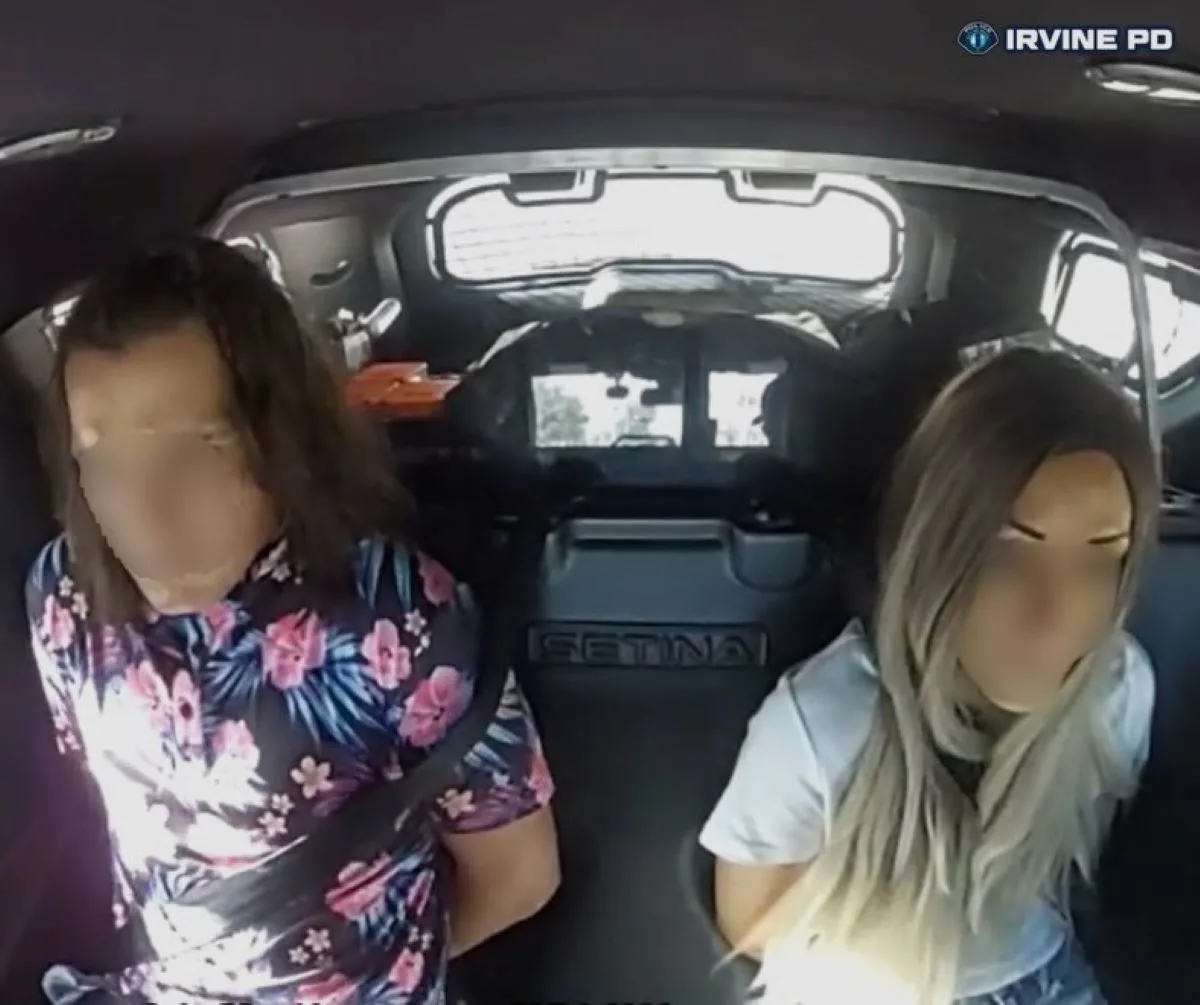
Last month, the Irvine Police investigated a theft from a vehicle on Via Lucca.
The victim had their credit cards and thousands of dollars’ worth of personal belongings stolen.
The stolen credit cards were later used for fraudulent purchases throughout Orange County. Additionally, another victim reported that their vehicle had been stolen.

IPD detectives identified two suspects and searched their Huntington Beach apartment last week.
Brittany Whitaker, 31, and Calvin Russell Everett, 32, were arrested for grand theft, identity theft, and conspiracy. Whitaker was also charged with stealing a vehicle.


How Police Track Down Suspects who Steal Credit Cards and Misuse them
Catching suspects in cases involving vehicle theft and identity fraud requires a mix of high-tech tracking and classic detective work. In the specific case of Brittany Whitaker and Calvin Russell Everett, the Irvine Police Department (IPD) utilized several standard investigative methods to bridge the gap between the initial theft on Via Lucca and the eventual arrest in Huntington Beach.
1. Digital & Financial Trail
- Transaction Tracking: When stolen credit cards are used at stores or online, they leave a digital “paper trail”. Detectives work with banks and retailers to identify the exact time and location of fraudulent purchases.
- Security Footage: Once a fraudulent purchase location is identified, police request surveillance video. High-definition cameras at major retailers often provide clear images of the suspects and, in many cases, their getaway vehicle’s license plate.
2. Advanced Technology
- Automated License Plate Readers (ALPR): IPD uses fixed and mobile ALPR cameras throughout the city. These systems alert officers in real-time if a vehicle reported as stolen—or one associated with a suspect—enters the area.
- Real-Time Crime Center (RTCC): Analysts at IPD’s Real-Time Crime Center use data analytics and link analysis to connect different crimes. For example, they can link the person seen using a stolen credit card in one city to the vehicle used in a theft in another.
3. Collaborative Intelligence
- Agency Partnership: Since the suspects often commit crimes across city lines, the Irvine Police Department frequently collaborates with neighbors like the Newport Beach Police to share surveillance and “leads”.
- Surveillance Operations: Once suspects are identified, specialized units like the Directed Enforcement Team (DET) or Criminal Investigations Division may conduct physical surveillance to confirm their residence before executing a search warrant.
4. Physical Evidence & Search Warrants
- Forensic Analysis: Evidence left at the scene of a vehicle break-in—such as fingerprints, DNA, or tools—can be matched against state and federal databases.
- Search Warrants: After gathering enough evidence to establish “probable cause,” detectives obtain warrants to search properties. In the case of Whitaker and Everett, this search of their Huntington Beach apartment likely uncovered the “thousands of dollars’ worth of personal belongings” stolen from the original victims.
Penalties Faced by the Suspects
Brittany Whitaker (31) and Calvin Russell Everett (32) face severe legal consequences following their arrest by the Irvine Police Department. In California, the charges they are facing are typically classified as “wobblers,” meaning they can be prosecuted as either misdemeanors or felonies depending on the defendants’ criminal history and the specific details of the crimes.
Based on California sentencing guidelines, the potential penalties include:
Common Charges (Both Suspects)
- Grand Theft (Penal Code 487 PC):
- Felony: 16 months, 2 years, or 3 years in state prison and up to a $10,000 fine.
- Misdemeanor: Up to 1 year in county jail and a $1,000 fine.
- Identity Theft (Penal Code 530.5 PC):
- Felony: 16 months, 2 years, or 3 years in state prison and up to $10,000 in fines.
- Misdemeanor: Up to 1 year in county jail and/or a fine of $1,000.
- Note: Every single use of a stolen credit card or identity can be charged as a separate offense, potentially leading to consecutive sentences.
- Conspiracy (Penal Code 182 PC):
- Generally carries the same punishment as the underlying felony (e.g., up to 3 years for conspiring to commit grand theft).
- For identity theft specifically, a felony conspiracy conviction can carry a fine of up to $25,000.
Additional Charges (Brittany Whitaker Only)
- Stealing a Vehicle (Grand Theft Auto – PC 487(d)(1)):
- Usually prosecuted as a felony, carrying a sentence of 16 months, 2 years, or 3 years in jail and/or a fine of up to $10,000.
Additional Potential Consequences
- Restitution: The court can order the suspects to repay the victims for the full value of the stolen belongings and fraudulent purchases.
- Enhancements: If the total value of stolen property exceeds $50,000, they could face an additional year in prison.
Thank gosh these cowards are caught.