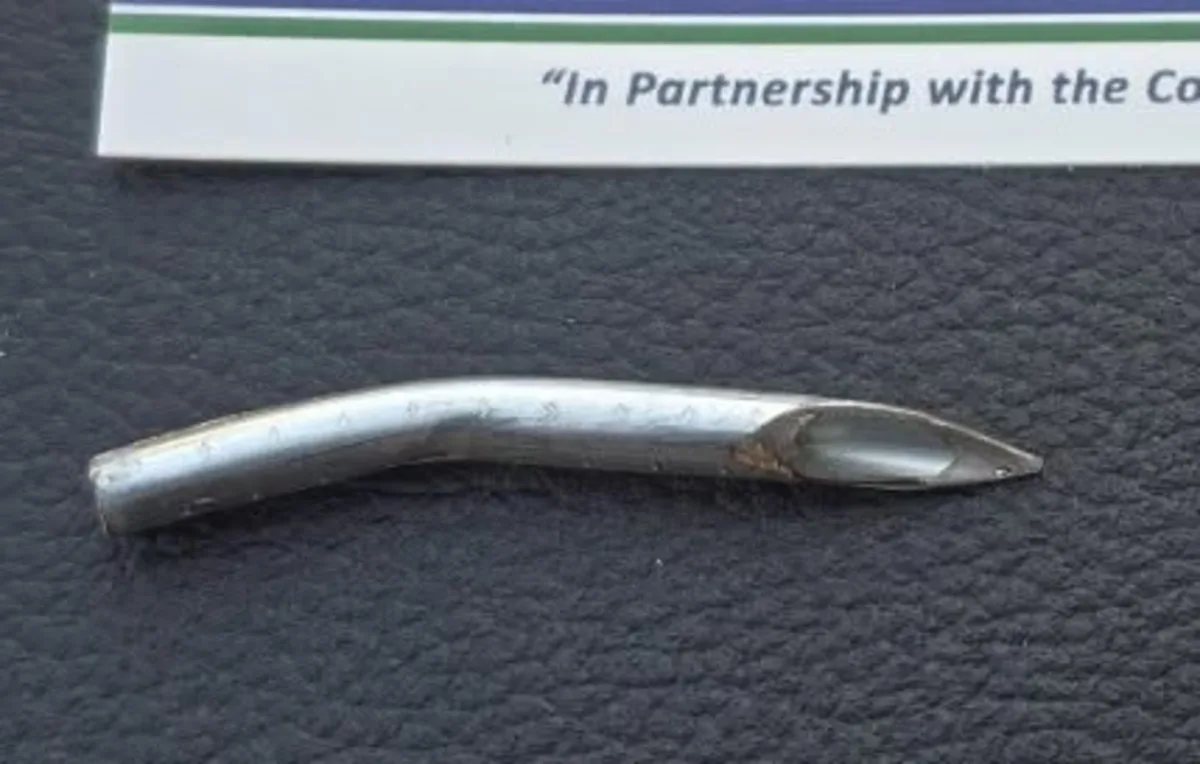
Distraction theft schemes, commonly known as “bank jugging,” are rapidly rising across California. Law enforcement agencies are issuing urgent warnings after a series of coordinated heists targeting unsuspecting bank customers. The Irvine Police Department recently reported a high-stakes incident where a victim was nearly swindled out of $14,000 using a sophisticated tire-slashing distraction tactic.

The Mechanics of the Irvine Heist
The crime unfolded immediately after a customer withdrew a large sum of cash from a local bank. Unbeknownst to the victim, thieves were scouting the parking lot, watching for individuals carrying bank envelopes or large bags of cash. The suspects secretly deployed a hollow metal spike under the victim’s car tire. Once the victim arrived at his next destination, he noticed the tire was completely flat.
Two men quickly approached the vehicle under the guise of offering roadside assistance. While the victim smarty declined their help, the suspects adjusted their strategy. As the driver became preoccupied with trying to inflate the compromised tire, one of the thieves managed to slip into the vehicle and steal the $14,000 cash haul.
A Surging Local and Regional Crime Trend
This incident is far from an isolated event. According to reports from the KTLA News Network, police departments across Southern California—including Burbank, Bell, and Hermosa Beach—have seen a severe uptick in bank jugging and follow-home theft rings. Local crime data indicates:
- High Volume of Incidents: The Irvine Police Department tracked 24 documented bank jugging cases in a single year, with neighboring regions like Los Angeles tracking hundreds of similar follow-home theft variations.
- Cross-State Networks: Investigations reveal that many of these organized crews travel into California from other states, utilizing temporary rental cars changed weekly to evade automated license plate readers.
- Coordinated Surveillance: Crews often position a “spotter” inside the bank lobby posing as a regular customer to identify high-value targets, communicating directly with getaway drivers outside.
Severe Criminal Penalties for Perpetrators
Because these crimes yield high-value cash returns, suspects face severe prosecution under California law. The act of stealing cash or property directly from a vehicle or person constitutes felony Grand Theft under California Penal Code Section 487 PC, provided the stolen amount exceeds $950.
- State Prison Time: A felony grand theft conviction carries a statutory penalty of 16 months, two years, or three years in California state prison.
- Financial Fines: Convicted individuals can be ordered to pay formal restitution to the victim alongside court-mandated criminal fines reaching up to $10,000.
- Enhanced Charges: If perpetrators use intimidation or physical force during the interaction, the charge elevates to robbery or carjacking, which carries a much steeper base penalty of up to 9 years in state prison.
Essential Safety Strategies for Bank Customers
Authorities emphasize that awareness is your strongest defense against organized jugging crews. Protect your financial assets by practicing the following safety habits:
- Go directly to your final destination immediately after securing a cash withdrawal without making intermediate stops.
- Conceal all bank bags, slip envelopes, or cash containers inside a discrete backpack or purse before exiting the building.
- Conduct a quick visual check of your vehicle’s tires before driving away from any financial institution.
- Remain skeptical of sudden strangers pointing out vehicle damage, offering unexpected help, or staging minor accidents.
- Drive directly to the nearest police station or a highly populated, well-lit area if you suspect a vehicle is tailing you.
Always keep your vehicle doors locked while driving and immediately after stepping out. If you witness suspicious individuals loitering in bank parking lots without clear business, report the activity to local law enforcement right away.