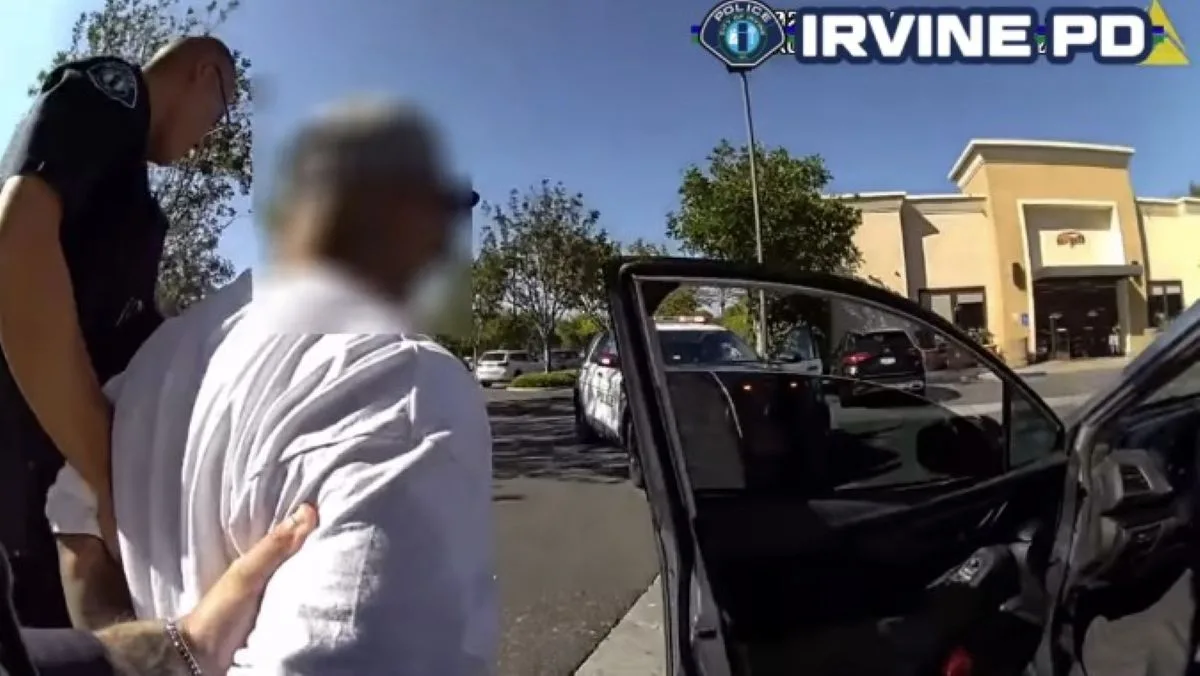
Martin Salvador Calderon, 38, of Long Beach, was arrested last week by the Irvine Police Department after he was caught driving a stolen vehicle in the parking lot of the Cypress Village Shopping Center.

The vehicle had been previously reported stolen out of neighboring Santa Ana.
According to authorities, Calderon pulled into the shopping center to pump gas, but local officers intercepted him before he could leave.
In addition to possessing the stolen car, Calderon allegedly gave a fake name to the responding officers and was found to be actively violating his parole. He was subsequently booked into the Orange County Jail.
Anticipated Legal Charges and Penalties
Because the vehicle was stolen in another city and Calderon was caught operating it, local prosecutors from the Orange County District Attorney’s Office are expected to pursue multiple charges under California law:
- Receiving or Possessing a Stolen Vehicle (Penal Code § 496d): This charge applies directly to individuals found controlling a vehicle they know to be stolen. It is a “wobbler” offense in California, meaning it can be processed as either a misdemeanor or a felony. Given the suspect’s criminal history, a felony charge is highly probable, carrying a maximum penalty of up to three years in county jail or state prison and fines up to $10,000.
- Providing a False Name to Peace Officers (Penal Code § 148.9): Giving a fictitious identity to a police officer during a lawful detention or arrest is a misdemeanor. This charge carries a penalty of up to six months in county jail and an additional fine.
- Parole Violation: Because Calderon was on active parole at the time of his arrest, this incident triggers an automatic parole hold. A parole revocation hearing will determine if he must serve the remainder of his original sentence behind bars, independent of any new sentences handed down for the vehicle theft.
Auto Insurance Implications for Stolen Vehicles
For the lawful owner of the vehicle stolen out of Santa Ana, the path forward heavily depends on their specific auto insurance policy structure:
- Coverage Requirements: The owner can only file an insurance claim to repair or replace the vehicle if they carry comprehensive coverage. Comprehensive insurance is optional under California law, though mandated by lenders if the vehicle is financed or leased. Standard liability insurance does not cover theft or damages caused by a thief.
- Premium Impacts: Generally, filing a comprehensive claim for a stolen vehicle does not raise the policyholder’s premiums as drastically as an at-fault collision. California insurance regulations protect consumers from premium hikes if the incident was entirely outside of their control, such as an act of crime. However, a high volume of comprehensive claims within a short window can still impact overall risk ratings or cause the provider to re-evaluate policy renewals.
- Vehicle Damage Recovery: If the vehicle suffered mechanical damage or wear during the crime, comprehensive insurance covers the repairs minus the policy’s deductible. If the car is declared a total loss, the insurer pays out the actual cash value of the vehicle at the time it was stolen.
Modern Context of Auto Theft and Real-Time Crime Monitoring
While national insurance data tracked by the National Insurance Crime Bureau (NICB) indicates that overall U.S. vehicle thefts experienced a notable drop starting into 2025 and 2026, California remains a hot spot. In fact, California reports the highest total volume of stolen vehicles in the country. High-volume targets like the Hyundai Elantra, Honda Accord, and Chevrolet Silverado 1500 continue to lead regional theft statistics.
Despite these regional challenges, Irvine historically maintains one of the lowest property and violent crime rates per capita for a city of its size. Law enforcement heavily credits this to the Irvine Police Department’s Real-Time Crime Center (RTCC), which utilizes automated license plate readers (ALPRs) and high-definition cameras strategically placed throughout the municipality. These tech tools identify stolen vehicles entering city limits within seconds, enabling patrol officers to locate and safely apprehend suspects at locations like local shopping plazas before further crimes can occur.
Practical Steps to Protect Your Vehicle
Most vehicle thefts are crimes of opportunity. Drivers can protect their property by practicing regular vigilance and deploying a layered security approach:
- Lock All Doors Immediately: Never leave a vehicle unlocked, even if running a quick errand inside a gas station or convenience store.
- Secure the Key Fob: Never leave spare keys or proximity fobs inside the glovebox or center console. For vehicles featuring keyless ignitions, store fobs away from front doors at home to prevent thieves from using signal-amplifying relay boxes to unlock the car remotely.
- Park in Well-Lit, Tracked Spaces: Utilize busy, brightly lit parking lots covered by visible security cameras or high foot traffic to deter criminals.
- Install Visible Anti-Theft Devices: Mechanical steering wheel locks or visible aftermarket alarm LEDs signal to a thief that a vehicle is a difficult target, often causing them to move on.
- Utilize Tracking Technology: Drop a GPS tracking tag (such as an Apple AirTag or a dedicated aftermarket tracking system) into a hidden spot inside the vehicle. This allows owners to provide precise, real-time location data directly to law enforcement if the car is taken.
Woulda been smarter to take the bus.