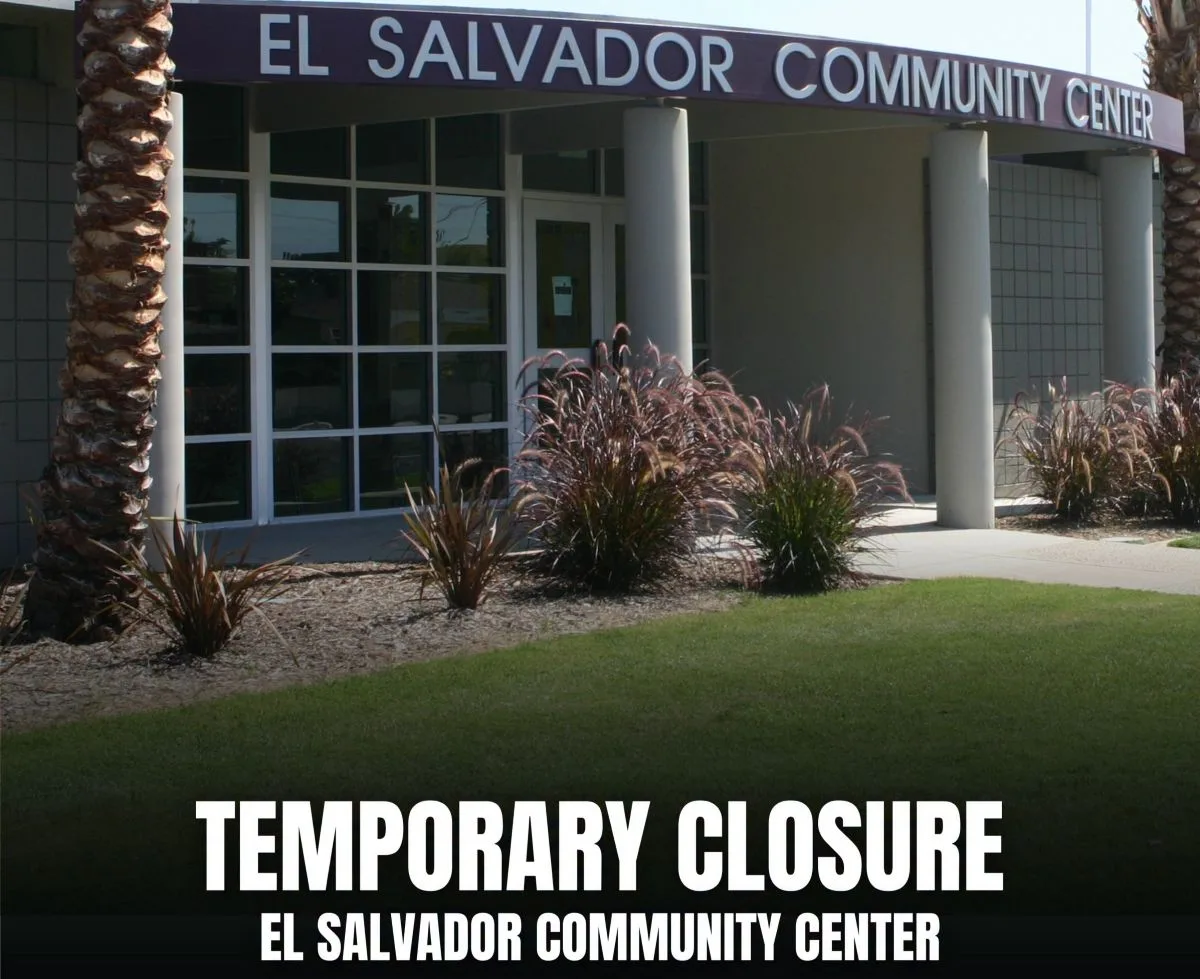
The City of Santa Ana’s Parks, Recreation and Community Services Agency announced today that the El Salvador Community Center at 1825 W. Civic Center Drive has been temporarily closed after thieves stole copper wire, causing damage that now requires water line repairs.
The facility is expected to reopen on November 12, but the incident is another reminder that copper theft remains one of the most costly property crimes facing Orange County cities.
While city officials did not identify any suspects or disclose the extent of the damage, copper wire thefts often create losses far beyond the value of the stolen metal. California law enforcement agencies have noted that thieves frequently damage utility infrastructure, communication systems, lighting equipment, irrigation systems, and water facilities to access copper, leaving taxpayers and property owners with repair bills that can be many times higher than the scrap value of the metal itself.
What Charges Could Copper Theft Suspects Face?
If suspects are identified, prosecutors could consider several criminal charges depending on the circumstances:
- Grand theft of copper materials under California Penal Code §487j if the value exceeds $950. This offense can be charged as either a misdemeanor or a felony.
- Felony vandalism if utility equipment, water lines, electrical systems, or city infrastructure were damaged during the theft. [newsantaana.com], [oag.ca.gov]
- Burglary if suspects entered a secured facility or structure with the intent to commit theft.
- Damaging utility or communication lines if critical infrastructure was cut or destroyed.
- Conspiracy charges if multiple offenders worked together as part of a theft crew.
Potential penalties can be significant. A felony conviction for grand theft of copper can result in 16 months, two years, or three years in county jail, along with substantial fines and restitution orders. Additional felony vandalism or utility-related charges can increase exposure considerably. Repeat offenders may face enhanced consequences under California’s recently strengthened theft laws.
Copper Theft Has Become a Persistent Orange County Problem
The closure of the El Salvador Community Center is far from an isolated incident.
Recent Orange County cases have included:
- A Santa Ana man arrested in Irvine after allegedly stealing copper wire and hiding in a storm drain while attempting to evade police.
- A woman arrested in Irvine while carrying roughly 10 pounds of stripped copper wire along with burglary tools.
- A Stanton resident arrested by Costa Mesa police after officers reportedly caught an active copper theft in progress at a sports complex.
- A suspect arrested in Anaheim after allegedly stealing copper wire from a commercial property and attempting to hide on a rooftop.
Law enforcement agencies throughout California have reported that copper thefts frequently target parks, sports complexes, irrigation systems, street lighting, utility boxes, communications infrastructure, construction sites, and commercial buildings.
Top Orange County Cities Most Frequently Associated With Copper Theft Arrests
There is no centralized countywide database that publicly tracks copper-theft arrests by city. However, based on recurring law-enforcement reports, municipal warnings, and recent enforcement actions, the cities most frequently appearing in Orange County copper-theft investigations include:
- Anaheim
- Santa Ana
- Irvine
- Costa Mesa
- Garden Grove
These cities are repeatedly identified in reports involving stolen utility wire, streetlight wiring, park infrastructure, and commercial copper theft investigations.
Technology Often Plays a Key Role in Solving Copper Theft Cases
Many recent copper theft arrests around Southern California have been made possible through surveillance footage, proactive patrols, automated investigations, and rapid suspect identification efforts. Investigators in several high-profile metal theft cases have relied heavily on cameras and other technology to identify suspects and track vehicles.
That reality creates an interesting policy backdrop in Santa Ana.
Just days ago, Santa Ana voters elected a city council majority widely viewed as skeptical of many law-enforcement technology initiatives. Several council members and their political allies have opposed expanded police use of drones and have also resisted the deployment of automated license plate reader systems such as Flock Safety cameras.
Supporters of those technologies argue that property crimes such as copper theft are exactly the types of offenses that benefit from enhanced investigative tools. Drones can help officers monitor large park and utility areas after hours, while Flock cameras can provide vehicle leads when suspects flee before officers arrive. Critics, meanwhile, have raised privacy and civil-liberty concerns regarding expanded surveillance.
As Santa Ana grapples with rising infrastructure costs and repeated property-crime incidents, the debate may become increasingly relevant. Each copper theft does more than steal metal. It can shut down public facilities, disrupt community programs, and force taxpayers to absorb expensive repair bills.
For now, neighborhood residents who use the El Salvador Community Center will have to wait while repairs are completed, all because someone apparently decided that a few pounds of copper were worth more than a functioning community resource.